Wondering whether a Palm Springs midcentury home is a design dream, a preservation project, or both? If you are drawn to butterfly roofs, walls of glass, and that classic indoor-outdoor desert feel, it helps to know that buying here is not quite the same as buying a vintage home in most other markets. In Palm Springs, architecture, preservation rules, and long-term value often go hand in hand. This guide will help you understand what to look for, what to ask, and how to buy with more confidence. Let’s dive in.
Why Palm Springs Is Different
Palm Springs is closely tied to midcentury modern architecture in a way few places are. The City of Palm Springs identifies the area as best known for Mid-Century Modern architecture, and its planning framework supports architectural quality, adaptive reuse, and historic preservation as policy goals. That means the home’s design, site condition, and historic status can all shape what you may be able to change later. You can review that context in the city’s community design policies.
This matters because you are not just buying square footage. You are often buying a piece of Palm Springs’ built history, along with rules and opportunities that may affect remodeling, maintenance, and resale. For a buyer, that makes due diligence especially important.
Key Midcentury Features to Recognize
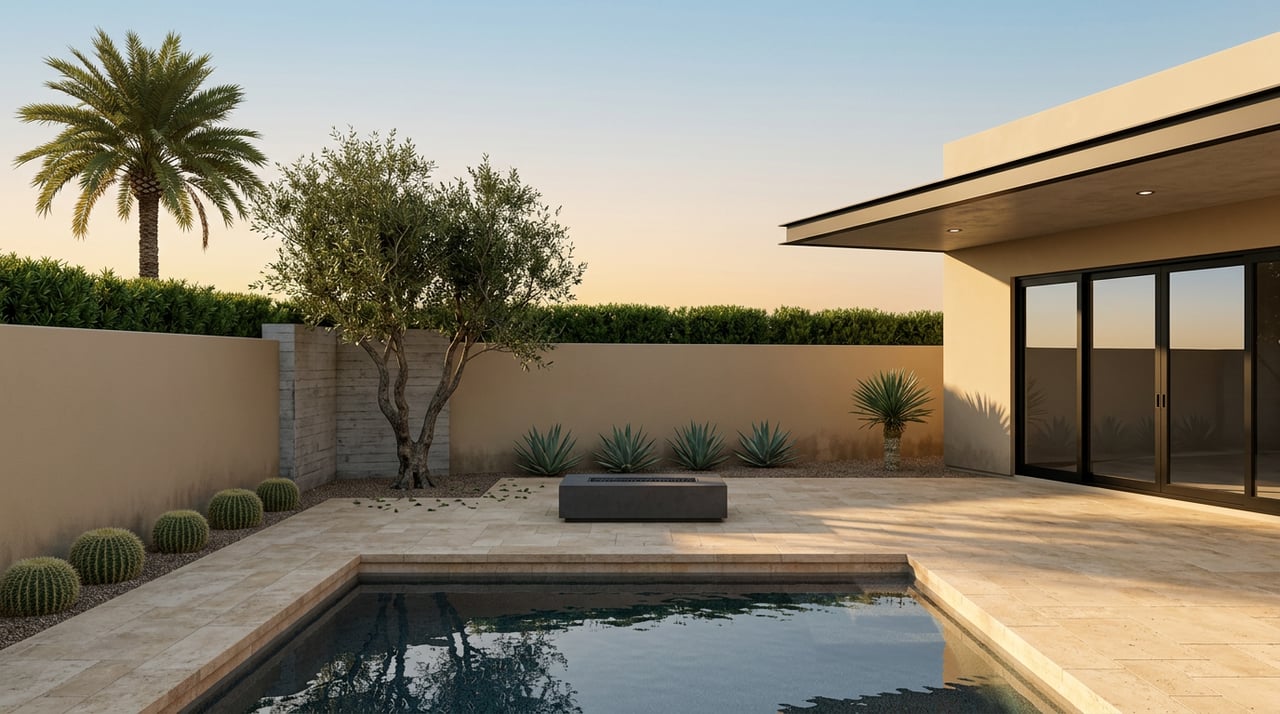
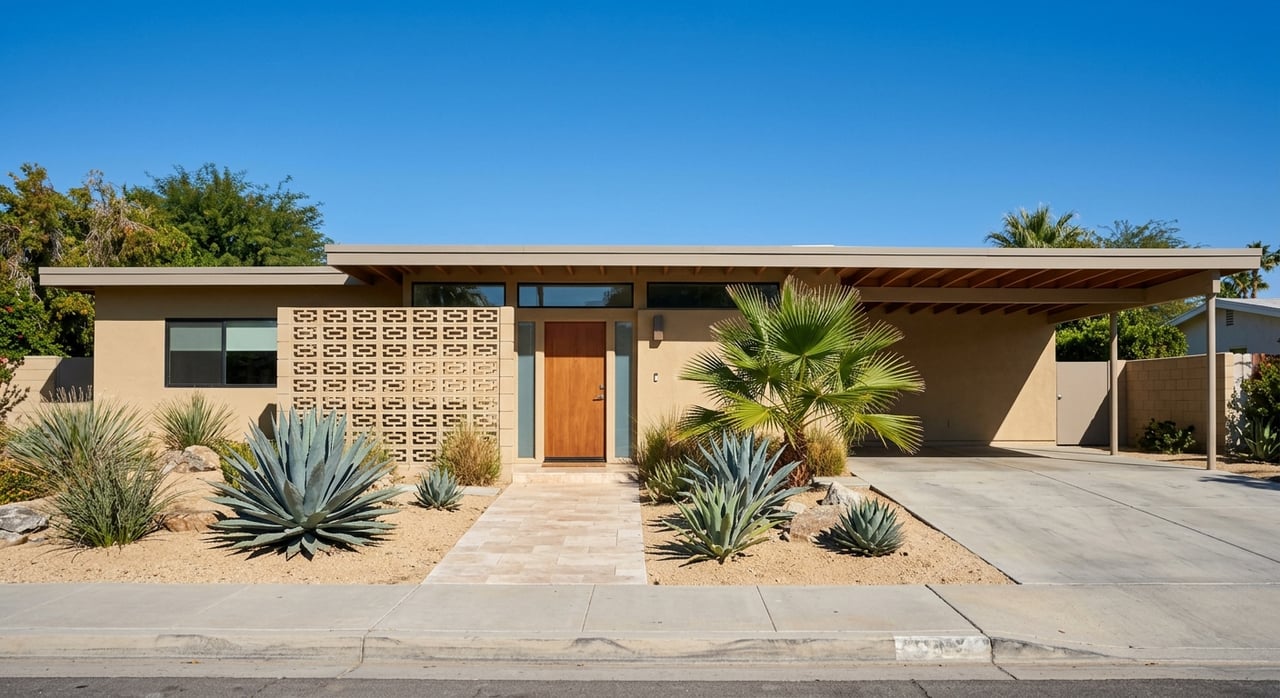
Palm Springs midcentury homes were designed with the desert climate in mind. Common features include flat or butterfly roofs, large glass openings, open floor plans, sliding doors, clerestory windows, breezeways, breeze blocks, and attached carports. As Visit Palm Springs explains in its architecture overview, these homes are closely tied to an indoor-outdoor lifestyle.
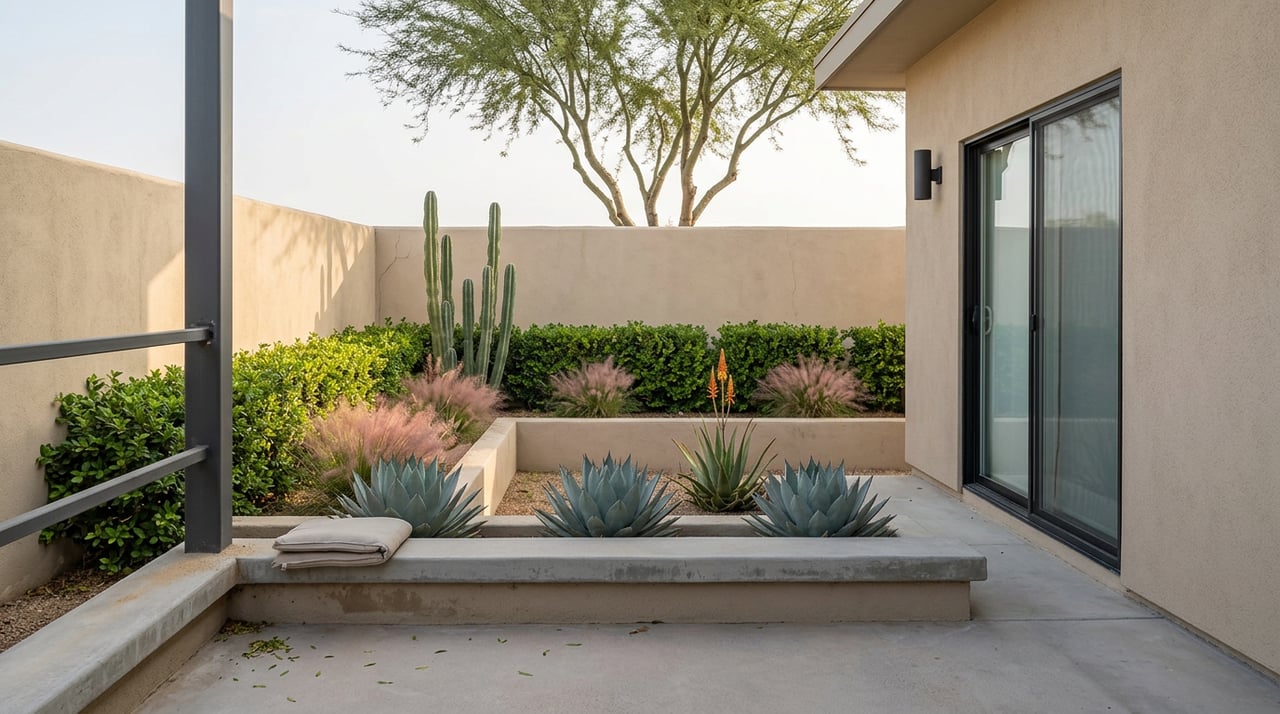
The setting is also part of the design. The city’s historic survey describes local modernism as using natural materials like rock, granite, and wood, along with neutral colors and water features such as pools and fountains. In Palm Springs, a strong midcentury property usually reflects a relationship between the structure, shade, landscape, and the surrounding desert environment.
You may also come across homes tied to notable architects and developers. Visit Palm Springs highlights names like Richard Neutra, Albert Frey, Donald Wexler, E. Stewart Williams, William Cody, and William Krisel, along with Alexander Construction Company. Buyers often search for homes in Alexander-built neighborhoods such as Twin Palms, Vista Las Palmas, Racquet Club Estates, Desert Lanai, and Sunmore Estates.
How to Read a Home’s Condition
Not every midcentury home offers the same level of authenticity. Some remain largely original, some have been updated with care, and others have been heavily altered. Knowing the difference can help you judge both value and future renovation flexibility.
Original Homes
An original home typically still shows its defining features clearly. That may include the roofline, window pattern, carport or breezeway, site walls, and its relationship to the landscape. In Palm Springs, those elements often give the home its architectural identity and visual integrity.
If originality matters to you, look beyond cosmetic finishes. Paint colors and staging can change easily, but original massing, glazing patterns, and site layout are much harder to restore once they are lost.
Sensitively Updated Homes
A sensitively updated home keeps the original architectural shell and proportions while improving livability. Kitchens, baths, finishes, and systems may be modernized, but the updates do not overpower the original design. According to the city’s historic preservation technical bulletin, routine maintenance and like-for-like replacement are not treated the same way as alterations, which supports the idea that careful updates can work well with preservation.
For many buyers, this is the sweet spot. You get the look and feel of a true midcentury home with fewer surprises related to aging systems and worn finishes.
Heavily Remodeled Homes
A heavily remodeled home may have lost much of its original design language. Common examples include enclosed carports, changed rooflines, resized windows, major facade rework, or additions that alter the home’s massing. The City of Palm Springs defines major alterations in part by thresholds such as removing or enclosing 25 percent of a street-facing elevation or 50 percent of the footprint for certain historic review purposes, as outlined in its historic property guidance.
That does not automatically make a home a bad purchase. It simply means you should evaluate it as a different product. If the original architecture has been diluted, the buyer pool, renovation path, and long-term appeal may differ from a more intact example.
Check Historic Status Before You Buy
One of the most important steps is confirming whether the home is a designated historic property, potentially historic, or located within a historic district. The city says buyers should verify status before buying, selling, altering, demolishing, or building new construction. You can start with the City of Palm Springs historic properties resources.
If a property is designated or located in a district, demolition and major alterations may require review by the Historic Site Preservation Board or Historic Preservation Officer before permits are issued. That does not mean you cannot make changes. It means you should understand the process before you commit.
For a buyer, this is where appraisal-style due diligence pays off. A home’s status can affect renovation costs, approval timelines, and the kind of work that is realistic after closing.
What to Ask About Renovations
If you are considering a midcentury property, ask direct questions early. The goal is to understand how much is original, what has changed, and whether those changes were properly reviewed when required.
Start with this checklist:
- Ask for permit history and remodel dates.
- Ask whether earlier changes were reviewed if the home is designated or in a district.
- Ask which elements are original, such as roofline, windows, carport, breezeway, and site walls.
- Ask whether systems have been updated, including plumbing, electrical, and HVAC.
- Ask whether any additions changed the footprint or street-facing elevation.
The city’s permit and preservation guidance can help frame the right questions.
Know Which Features Can Be Costly
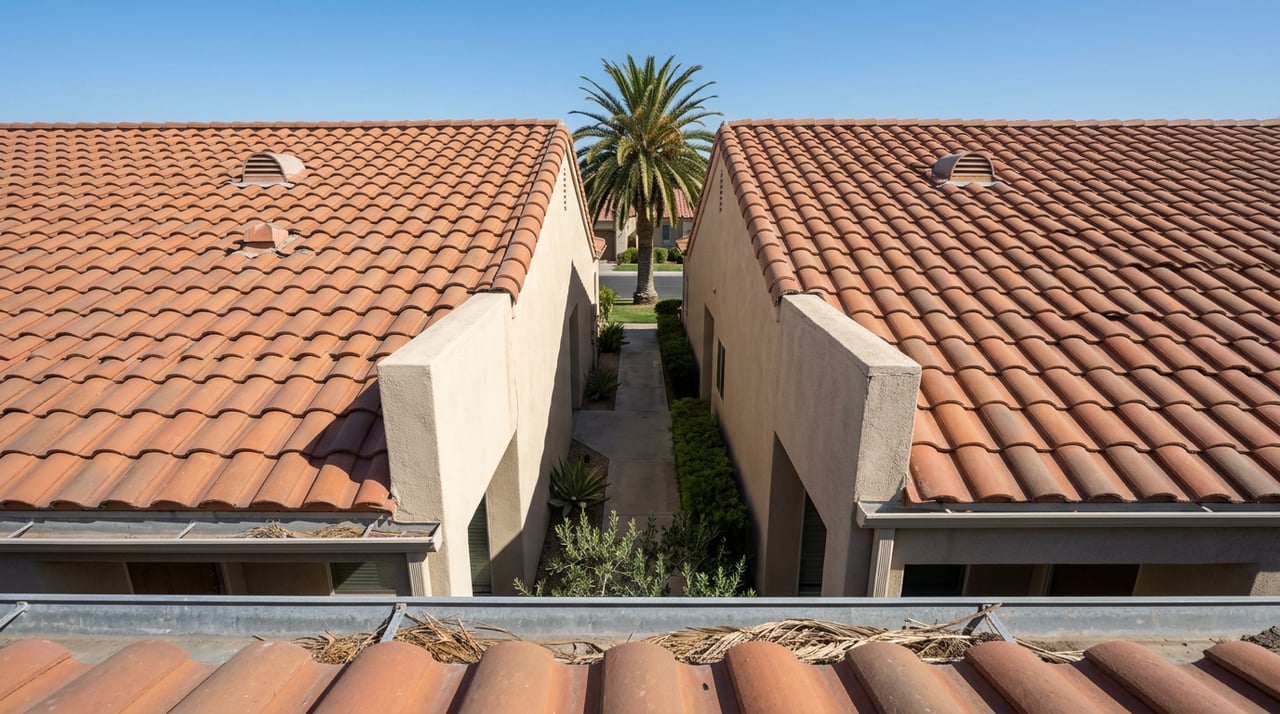
Midcentury homes can have details that are beautiful but complex. Flat roofs and butterfly roofs may require specialized attention. Large glass expanses can be more involved than conventional window replacements. And some homes have slab-embedded utilities, which can make repairs more invasive.
As noted by Palm Springs Life in its midcentury architecture overview, slab-embedded gas and water lines can complicate repairs. That is why inspection strategy matters. You want to understand not only what looks good today, but also which features may carry bigger maintenance implications over time.
How Preservation Can Affect Value
Buyers often ask whether historic status helps or hurts value. The most accurate answer is that it depends on the property, its designation, and the local rules. A 2025 study published in Regional Science and Urban Economics found that National Register listing was associated with price increases of roughly 9 to 12 percent, while local historic-district effects varied once overlapping designations were considered.
That study is not Palm Springs-specific, but it does suggest that preservation status can affect prices, renovation activity, and future development patterns. In Palm Springs, the practical takeaway is simpler: homes with intact character and thoughtful updates often stand apart from homes that have lost their defining features.
The city also supports preservation incentives, including Mills Act contracts, which can offer potential property-tax relief in exchange for a 10-year preservation commitment. The city references those incentives in its community design and preservation framework. If tax relief is part of your decision-making, it is worth asking whether a specific property may qualify.
A Smart Buying Strategy
Buying a midcentury home in Palm Springs is part lifestyle decision and part technical review. The style is iconic, but the smartest purchases usually happen when you match the architecture to a careful due diligence process.
A strong approach includes:
- Identifying whether you want original character, a thoughtful update, or a fully modernized home.
- Verifying the home’s historic or district status early.
- Reviewing permit history and prior remodel scope.
- Paying close attention to rooflines, windows, carports, breezeways, and site features.
- Evaluating maintenance needs tied to glass, roofs, and slab-based systems.
This is where local guidance matters. In a market as design-sensitive as Palm Springs, small architectural differences can carry outsized importance for usability, review requirements, and resale appeal.
Why Local Expertise Matters
A Palm Springs midcentury purchase is rarely just about finding a stylish house. You are also weighing authenticity, condition, potential restrictions, and future value. A data-driven buying process can help you separate a true architectural opportunity from a home that may look the part but has lost much of what made it special.
That is especially important if you are comparing homes across well-known tracts or trying to judge whether a remodel was respectful to the original design. You want clear answers, local context, and pricing guidance grounded in evidence rather than hype.
If you are considering a midcentury home in Palm Springs, The Nick Miller Team can help you evaluate neighborhood context, property condition, and pricing with a practical, appraisal-informed approach.
FAQs
What makes buying a midcentury home in Palm Springs different?
- Palm Springs has a strong preservation and design framework, so a home’s architecture, site condition, and historic status may affect what you can change later.
What features define a Palm Springs midcentury home?
- Common features include flat or butterfly roofs, large glass openings, open plans, sliding doors, clerestories, breezeways, breeze blocks, attached carports, and strong indoor-outdoor connections.
What is a sensitively updated midcentury home in Palm Springs?
- It is a home that keeps the original architectural shell and proportions while improving systems, kitchens, baths, and finishes without overpowering the original design.
How do I check if a Palm Springs home has historic status?
- Start by reviewing the City of Palm Springs historic property resources and confirm whether the home is designated, potentially historic, or located in a historic district.
What parts of a Palm Springs midcentury home can be expensive to repair?
- Flat or butterfly roofs, large glass expanses, and slab-embedded utilities can be more complex and costly to address than similar features in more conventional homes.
Can a historic Palm Springs home offer tax benefits?
- Possibly. The city says Mills Act contracts may provide potential property-tax relief for designated historic properties in exchange for a preservation commitment.