Wondering whether an Indian Wells condo or estate is the better desert base? It is a smart question, especially in a city where lifestyle often drives the real estate decision as much as the square footage. If you are weighing low-maintenance convenience against privacy and control, this guide will help you compare both paths with clear local context. Let’s dive in.
Why Indian Wells Feels Different
Indian Wells is not a typical suburban market. The city describes itself as a tranquil luxury resort community centered around four world-class resorts, the Indian Wells Golf Resort, and the Indian Wells Tennis Garden, and its community profile shows just 5,015 residents, 2,714 households, a median age of 68.4, and 49.1% vacant housing units.
That matters because many buyers here are not looking for a standard full-time primary residence. Indian Wells often appeals to people who want a seasonal home, a second-home retreat, or a lifestyle-focused property with easy access to recreation, services, and resort-style amenities.
Price Gap Between Condos and Estates
If you are deciding between an attached home and a detached estate, the pricing difference is one of the first things you will notice. According to the January 2026 Greater Palm Springs Realtors housing report, the average-size detached home in Indian Wells was estimated at $2,373,925 for 3,450 square feet, while the average-size attached home was estimated at $758,762 for 1,950 square feet.
The same report showed detached average-size homes up 34.7% year over year and attached average-size homes down 12.2%. That does not mean every estate is rising and every condo is falling, but it does show how differently these two property types can perform in the same market.
Why a Condo May Fit Better
For many buyers, a condo offers the easiest way to enjoy Indian Wells without taking on as much day-to-day property responsibility. If your goal is to spend more time enjoying the desert and less time coordinating exterior work, an attached home can be a strong fit.
Condo maintenance is more shared
A condo usually comes with an HOA that manages shared expenses and common maintenance. The Consumer Financial Protection Bureau notes that condominium HOAs often handle items such as landscaping, driveways, shared structures, and roofs.
That shared structure can create a more predictable ownership experience. Instead of personally overseeing every exterior detail, you are typically contributing through dues while the association manages many of those responsibilities.
Condo costs work differently
HOA dues are an important part of condo ownership. The CFPB explains that condo or HOA dues are usually paid directly to the HOA rather than through your mortgage servicer.
Nationally, those dues can range from a few hundred dollars per month to more than $1,000 per month. In practical terms, that means you should compare not just purchase price, but also the total monthly carrying cost when looking at Indian Wells condos.
Condo insurance has its own rules
Insurance is another area where condos differ from detached homes. The CFPB explains that condo association fees often include master insurance for common areas, while you as the owner typically need separate coverage for your belongings and the parts of the unit you own.
That usually means budgeting for an HO-6 policy in addition to the association’s master policy. It is a good reminder that low-maintenance does not mean no planning. It simply means the responsibilities are divided differently.
Condos support lock-and-leave living
Indian Wells is especially appealing if you want a home base you can use seasonally. The city’s resident benefits program includes selected discounts at the four resort properties, the Indian Wells Golf Resort, and the BNP Paribas Open, along with rear-yard trash service, a community garden, and resident events.
That benefit structure pairs naturally with condo ownership. If you want a property that is easier to leave for stretches of time while still enjoying the city’s amenities when you are in town, a condo often checks that box.
Why an Estate May Fit Better
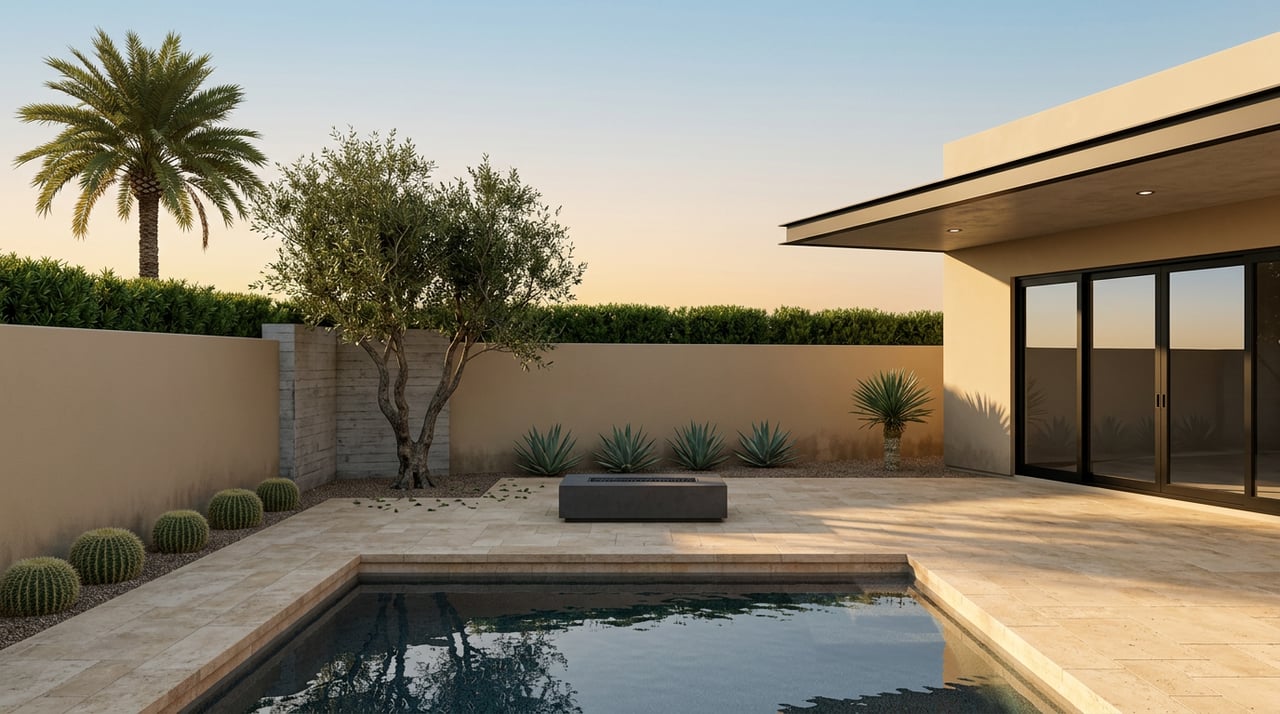
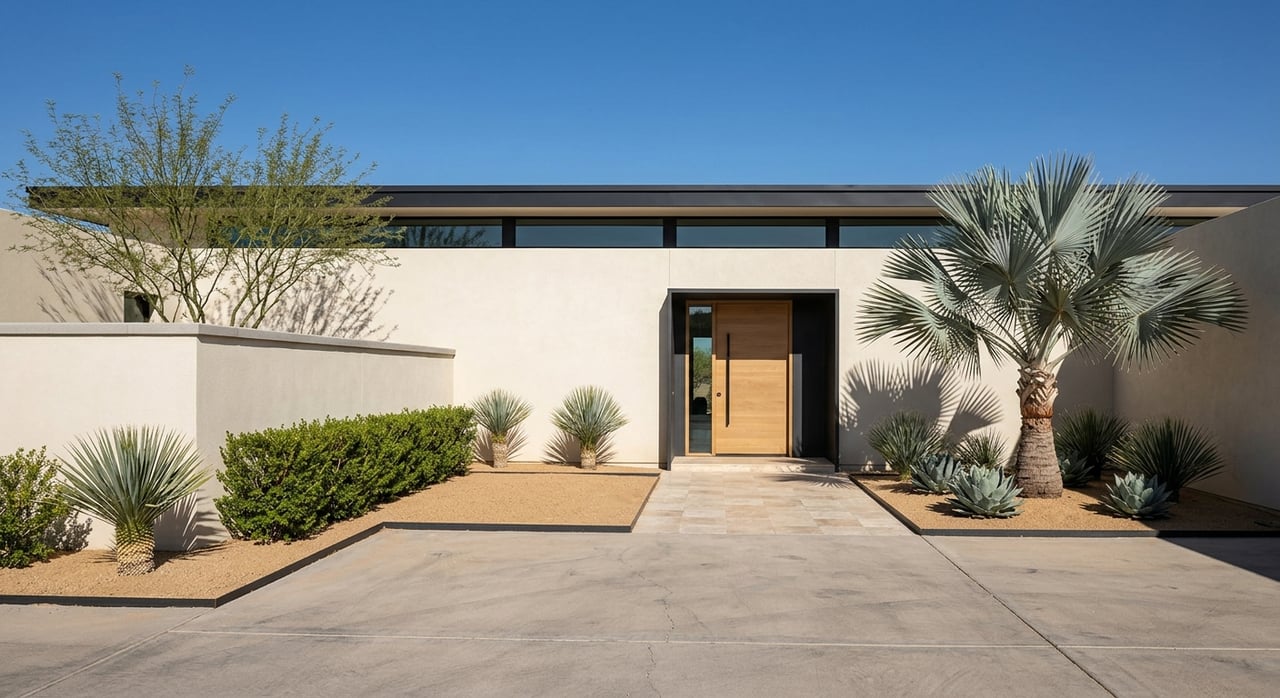
If you picture your desert home as a more private retreat with greater control over your space, a detached estate may be the better match. In Indian Wells, that choice often goes hand in hand with country-club living, custom-home settings, and more outdoor space.
Estates offer more privacy and control
Detached ownership generally gives you more separation from neighbors and more authority over how the property looks and functions. If your priorities include a larger patio, pool area, guest space, or more individualized outdoor living, an estate usually gives you more flexibility.
That extra freedom also comes with more direct responsibility. You are more likely to manage exterior systems, landscaping, and maintenance, even if you hire professionals to handle the work.
Country-club settings shape the experience
Indian Wells has six residential country clubs that the city says often function like mini-communities. Amenities can include golf courses, tennis courts, fitness centers, spas, and social or educational programming.
This is one reason detached-home ownership in Indian Wells can feel very different from a traditional single-family home elsewhere. You may get the privacy of a detached property while still living in an amenity-rich club environment.
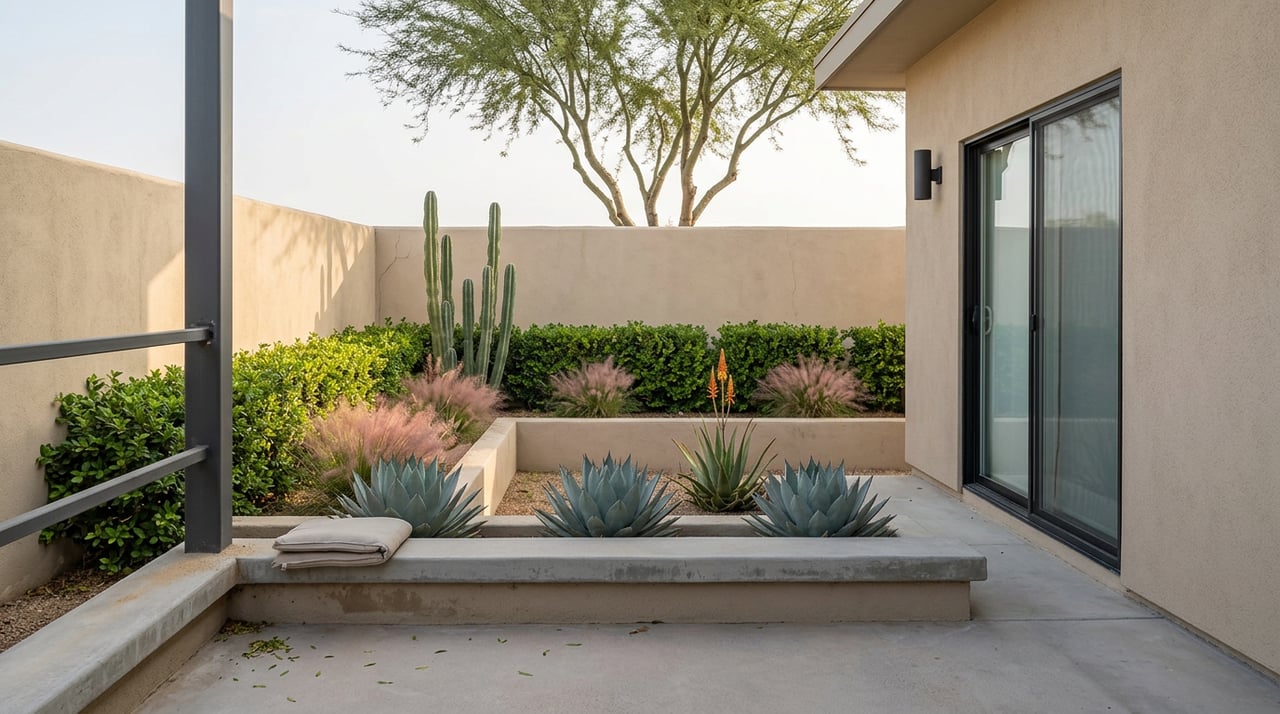
Landscaping matters more with estates
The city’s updated landscape ordinance took effect on March 16, 2024, with standards aimed at conserving water while preserving Indian Wells’ lush aesthetic. The rules apply to new or remodeled landscape projects over 250 square feet, with an exception for HOA properties not visible from the public right-of-way.
For estate buyers, that is an important ownership detail. Landscaping, irrigation, and curb appeal are not just cosmetic decisions. They can be part of the practical and regulatory side of owning a detached property in Indian Wells.
Condo vs Estate at a Glance
Here is a simple way to frame the decision:
| If you want... | A condo may fit better | An estate may fit better |
|---|---|---|
| Exterior upkeep | Yes | No |
| More privacy | Limited | Yes |
| Easier seasonal use | Yes | Sometimes |
| More outdoor living space | Limited | Yes |
| Shared services and systems | Yes | Less often |
| More control over the property | Limited | Yes |
This is not a rulebook, but it is a useful starting point. The best choice usually comes down to how you plan to use the home and how hands-on you want to be.
Questions to Ask Before You Choose
Before you decide, it helps to answer a few practical questions early.
How often will you use the home?
If you plan to be in Indian Wells only part of the year, a condo may make ownership simpler. If you expect to spend long stretches in the home and want it to feel more personalized and private, an estate may be worth the added responsibility.
How much maintenance do you want to manage?
A condo often reduces the number of exterior issues you need to oversee directly. An estate gives you more control, but it also means more decisions around landscaping, systems, and upkeep.
What kind of monthly costs feel comfortable?
A condo may have a lower purchase price but higher monthly HOA costs than some buyers expect. An estate may avoid some of those shared dues, but you may spend more on maintenance, insurance, landscaping, and larger-scale repairs over time.
Is the property in an HOA, a country club, or both?
This matters in Indian Wells because property ownership structures can overlap. Some detached homes are inside private country clubs, so you may have the privacy of an estate along with association rules and amenity access.
The Indian Wells Buyer Profile Matters
Indian Wells is especially well suited for buyers who want low-friction ownership in an amenity-rich setting. The city’s housing profile and resident benefit structure support that idea, especially for second-home owners and seasonal residents who value convenience, recreation, and service.
That does not mean estates are only for full-time residents or condos are only for part-time owners. It means your best match is often the property type that aligns with your lifestyle, your maintenance tolerance, and the level of privacy you want from your desert base.
How to Make the Right Call
If you want a home that is simpler to manage, easier to leave, and tied closely to Indian Wells’ resort-style amenities, a condo may be the stronger fit. If you want more privacy, more outdoor living, and greater control over the property, an estate may be the better long-term choice.
The smartest move is to compare the tradeoffs with real local context, not assumptions. Working through pricing, ownership costs, HOA structure, and neighborhood-level differences can help you choose a property that fits the way you actually want to live in Indian Wells.
If you want help comparing Indian Wells condos and estates with appraisal-minded pricing insight and neighborhood-level guidance, connect with The Nick Miller Team. You will get clear, data-driven advice tailored to how you plan to use your desert home.
FAQs
What is the main difference between an Indian Wells condo and an estate?
- A condo usually offers more shared maintenance and easier seasonal ownership, while an estate usually offers more privacy, outdoor space, and control over the property.
Are Indian Wells HOA dues included in your mortgage payment?
- Usually not. The CFPB says condo and HOA dues are generally paid directly to the HOA, not through your monthly mortgage payment.
What insurance should you expect with an Indian Wells condo?
- Condo owners usually rely on the association’s master policy for common areas and carry their own HO-6 policy for personal belongings and the parts of the unit they own.
Can you get country-club living with an Indian Wells estate?
- Yes. The city notes that Indian Wells has six residential country clubs, and many detached homes are located within those club settings.
Is Indian Wells a good fit for part-time homeowners?
- It can be, especially because the city has a seasonal, amenity-driven housing profile and resident benefits that support a lifestyle-focused ownership experience.