If you’re thinking about living in Bermuda Dunes, one question matters more than almost any other: will this be your full-time home or your seasonal desert escape? That choice shapes how you budget, what features matter most, and how you use the home throughout the year. In a place with warm winters, very hot summers, and a strong second-home appeal, understanding the tradeoffs can help you buy more confidently. Let’s dive in.
Why Bermuda Dunes Appeals to Both
Bermuda Dunes sits in unincorporated Riverside County and is part of the Greater Palm Springs and Coachella Valley region. That means county services and county land-use rules matter more here than city government. For you as a buyer, that is an important practical detail because day-to-day living is tied closely to county systems and support.
The area also fits naturally into two lifestyles at once. Some people want a year-round home base with dependable daily comfort, while others want a lock-and-leave property they can enjoy during the cooler months. That split makes Bermuda Dunes especially interesting for buyers comparing full-time living with seasonal ownership.
Regional tourism and leisure patterns help explain why. Greater Palm Springs reported 14.4 million annual visitors in 2023, and Bermuda Dunes has a long association with golf and desert resort living. For many buyers, that creates a clear choice between putting down roots full time or keeping a second home for part of the year.
What Daily Life Feels Like
Climate is one of the biggest factors in how Bermuda Dunes lives from season to season. Nearby NOAA climate normals for Indio show an annual mean temperature of 76.0°F, with average highs above 105°F in July and August. In December and January, average highs are around 69 to 70°F.
That seasonal swing shapes how you use the home. Winter supports more outdoor time and easier day-to-day activity, while summer often means planning around air conditioning, shade, and cooler morning or evening hours. If you live here all year, that affects your routine. If you live here seasonally, it may affect when you come and go.
There is also very little rain to count on. Annual precipitation is just 2.92 inches, and the station reports no measurable snow in the annual summary. In practical terms, that means your home systems, landscaping plan, and water use deserve more attention than they might in other climates.
Year-Round Living in Bermuda Dunes
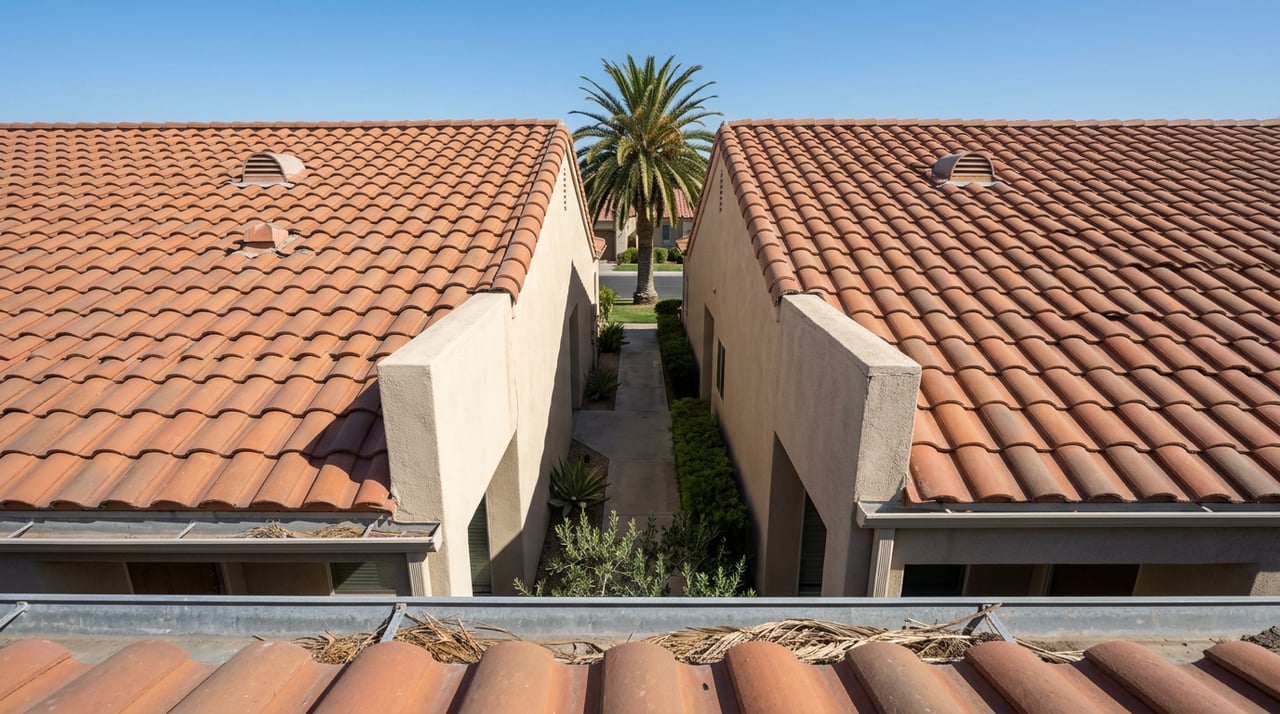
If you plan to live in Bermuda Dunes full time, comfort and reliability usually move to the top of your list. A beautiful home still needs to work well on an average Tuesday in July. That often means focusing on cooling performance, shade, dust management, and systems that are easy to monitor and maintain.
Broadband can also matter more than buyers expect. Census QuickFacts reports a 94.0% broadband subscription rate in Bermuda Dunes, which supports work-from-home needs, streaming, smart home features, and remote system control. For many full-time households, strong connectivity is now part of basic livability.
HVAC upkeep is another key issue in desert living. EPA guidance recommends pre-season checkups and monthly maintenance during hot weather. If you are here year-round, preventive service is less of a convenience item and more of a routine part of protecting comfort and avoiding avoidable problems.
Smart thermostats can also make daily life easier. ENERGY STAR notes that smart thermostats can automatically adjust when people are asleep or away and can be controlled remotely. For a full-time resident, that can help you manage comfort more consistently and respond faster when weather changes.
Features That Matter Most Full Time
If you are buying for year-round use, these features usually deserve close attention:
- Dependable air conditioning and simple temperature controls
- Good shade at windows, patios, or outdoor living areas
- Manageable exterior upkeep and dust control
- Reliable broadband access
- Landscaping that fits the desert climate without becoming a constant project
None of these items are flashy, but they often shape your actual quality of life more than cosmetic upgrades do.
Seasonal Living in Bermuda Dunes
For seasonal owners, the priorities often look a little different. Instead of asking how the home functions every day, you may be asking how easy it is to leave for weeks or months at a time. In that case, lock-and-leave convenience becomes a major part of the value equation.
Remote controls and automation can be especially useful here. ENERGY STAR highlights remote access, automatic scheduling, and geofencing for smart thermostats, which can help you manage indoor temperatures when the home is empty. That kind of setup can support both comfort and oversight without requiring you to be on-site.
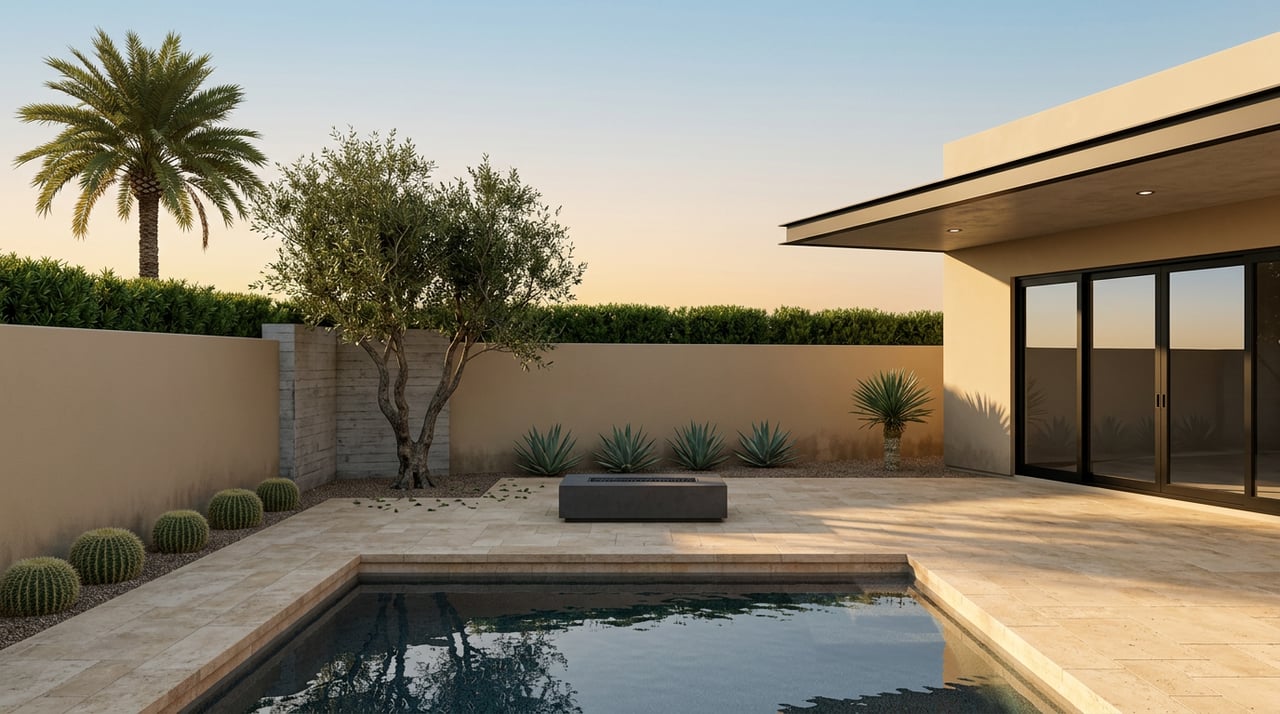
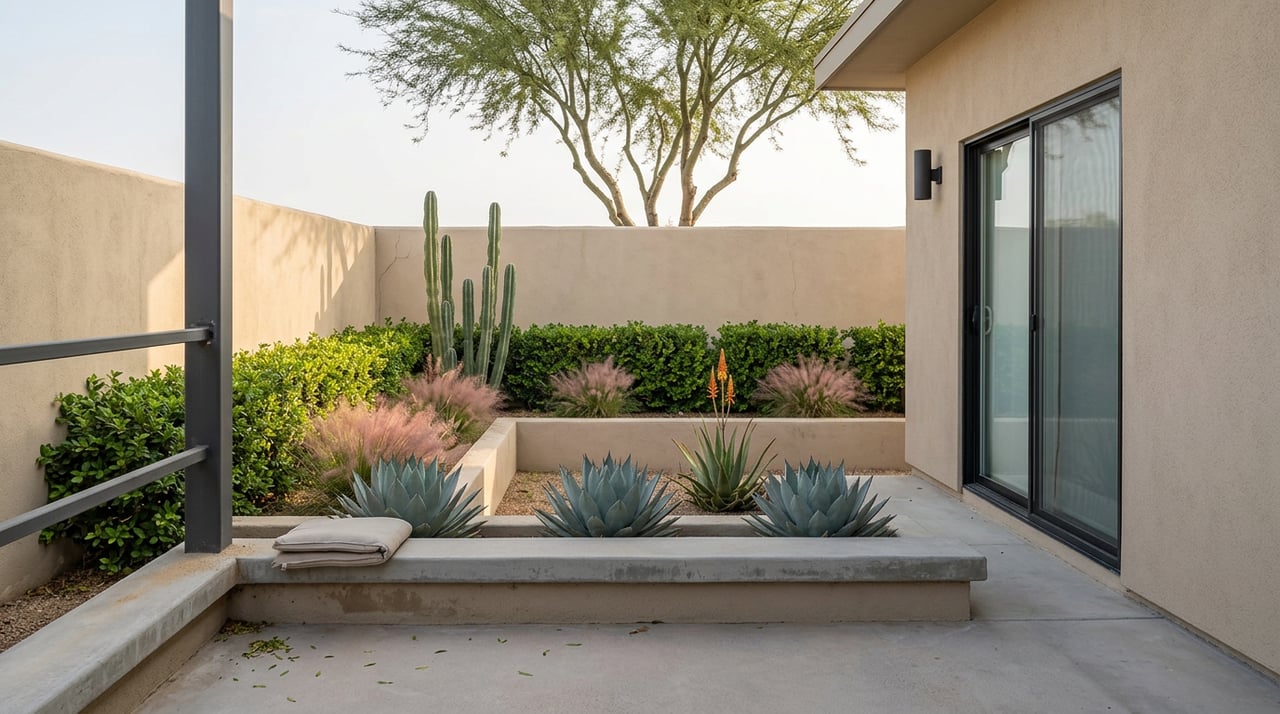
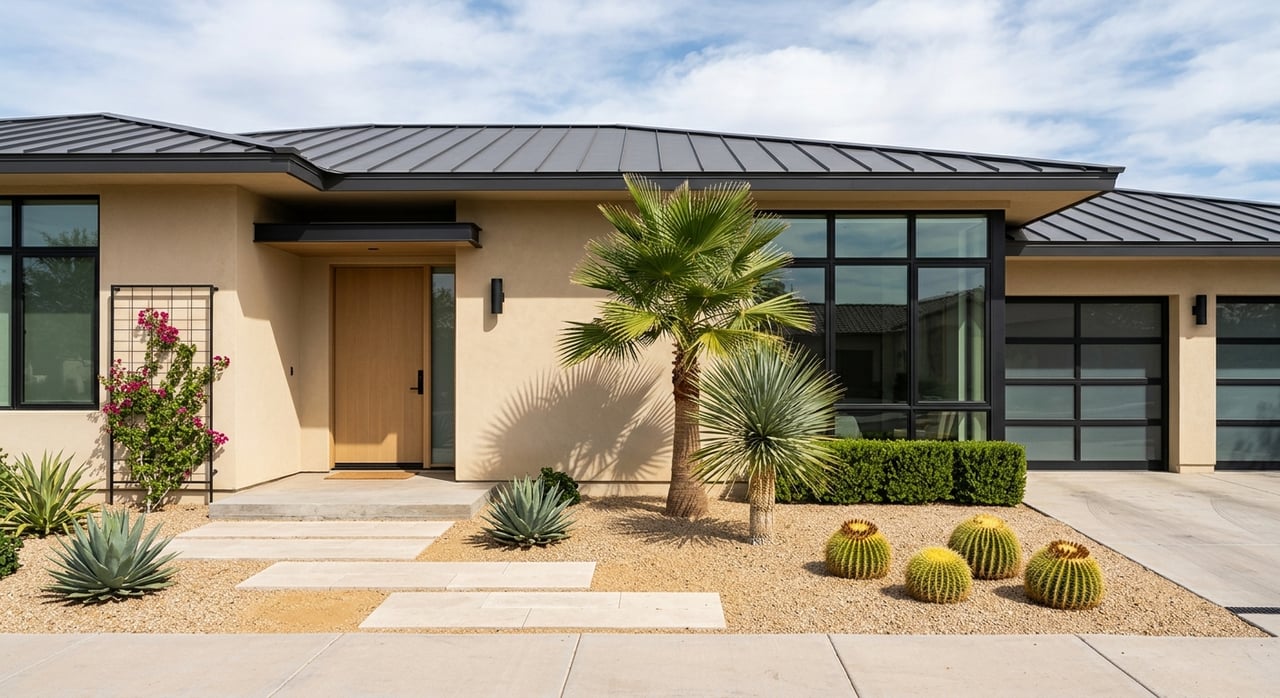
Outdoor upkeep matters just as much. EPA recommends WaterSense irrigation controllers, pool covers when pools are not in use, and drought-tolerant landscape changes. California water guidance also supports drought-tolerant plants and turf replacement, which can help reduce the amount of hands-on attention your property needs.
This is particularly relevant in Bermuda Dunes because Myoma Dunes Water Company describes the community as a hot desert environment where as much as 70% of water use can go toward landscaping. If you are a seasonal owner, irrigation design and plant choices are not minor details. They are central to convenience, budgeting, and property care.
Features That Matter Most Seasonally
If your Bermuda Dunes home will be part-time, focus on features that support easy absences:
- Smart thermostat with remote access
- Automatic irrigation controls
- Drought-tolerant landscaping
- Pool protections when not in use
- A home setup that does not require constant in-person oversight
The goal is not just lower effort. It is also greater peace of mind when you are away.
Budget Tradeoffs to Think Through
Bermuda Dunes has a meaningful owner base, with a 50.5% owner-occupied housing rate according to Census QuickFacts. The same source reports a median owner value of $509,100, median monthly owner costs of $2,527 with a mortgage and $890 without one, and median gross rent of $1,774. Those numbers give you a baseline, but they are not the whole story.
In desert housing, the monthly payment is only part of the equation. Cooling, water use, landscaping, pool care, and routine maintenance can all shape the real carrying cost of the property. That is why the better comparison is often not “Which option is cheaper?” but “Which option fits how I will actually use the home?”
For full-time residents, the value may come from comfort, routine, and consistent use of the property across the year. For seasonal owners, the value may come from flexibility and lifestyle, even if the home needs systems and services that support stretches of vacancy. Neither path is automatically better. The right fit depends on how you plan to live.
How to Decide Which Lifestyle Fits You
A smart decision usually starts with a few honest questions. How many months a year do you expect to be in Bermuda Dunes? Do you want a home that supports everyday living, or one that is optimized for easy arrivals and departures?
You should also think about how involved you want to be with maintenance. If you enjoy being hands-on and expect to spend most of the year here, a full-time setup may feel natural. If you want a low-friction second home, then system automation, low-water landscaping, and simple upkeep should be high priorities.
Finally, think in terms of total ownership experience, not just list price. In Bermuda Dunes, climate and outdoor maintenance can affect how a home feels to own over time. Looking at the property through that lens can help you avoid surprises and choose more confidently.
Why Local Guidance Matters
Because Bermuda Dunes is unincorporated, county context matters. Riverside County highlights community resources tied to housing, transportation, environment, seniors and retirement, and unincorporated communities. That broader framework can influence how a property fits your needs beyond the home itself.
This is also where neighborhood-level advice makes a real difference. Two homes with similar square footage can feel very different depending on layout, shade, outdoor setup, maintenance demands, and how easily the property supports either full-time or seasonal use. A data-driven local perspective can help you compare those details in a practical way.
If you are weighing a full-time move, a second home, or an investment-minded purchase in Bermuda Dunes, it helps to work with someone who understands both value and day-to-day ownership realities. The The Nick Miller Team brings appraisal-driven guidance, local market knowledge, and hands-on support to help you find the right fit for how you want to live.
FAQs
What is the difference between year-round and seasonal living in Bermuda Dunes?
- Year-round living focuses more on everyday comfort, reliable cooling, broadband, and routine maintenance, while seasonal living usually focuses more on lock-and-leave convenience, remote controls, irrigation management, and easy upkeep during longer absences.
How hot does summer get in Bermuda Dunes?
- Nearby NOAA climate normals show average highs above 105°F in July and August, which makes air conditioning, shade, and system maintenance especially important in summer.
Is Bermuda Dunes a city or an unincorporated area?
- Bermuda Dunes is an unincorporated community in Riverside County, so county-level governance, land-use rules, and services play an important role in day-to-day living.
What home features are most useful for seasonal owners in Bermuda Dunes?
- Seasonal owners often benefit most from smart thermostats, automatic irrigation, drought-tolerant landscaping, pool covers, and other features that make the property easier to manage when they are away.
What costs should buyers consider beyond the mortgage in Bermuda Dunes?
- In addition to the base housing payment, buyers should think about cooling, water use, landscaping, pool care, and routine maintenance because desert living can add ongoing ownership costs beyond the monthly mortgage.
Why does landscaping matter so much for Bermuda Dunes homes?
- Myoma Dunes Water Company notes that in this hot desert environment, as much as 70% of water use can go toward landscaping, so irrigation design and drought-tolerant planting can have a big impact on convenience and ongoing costs.