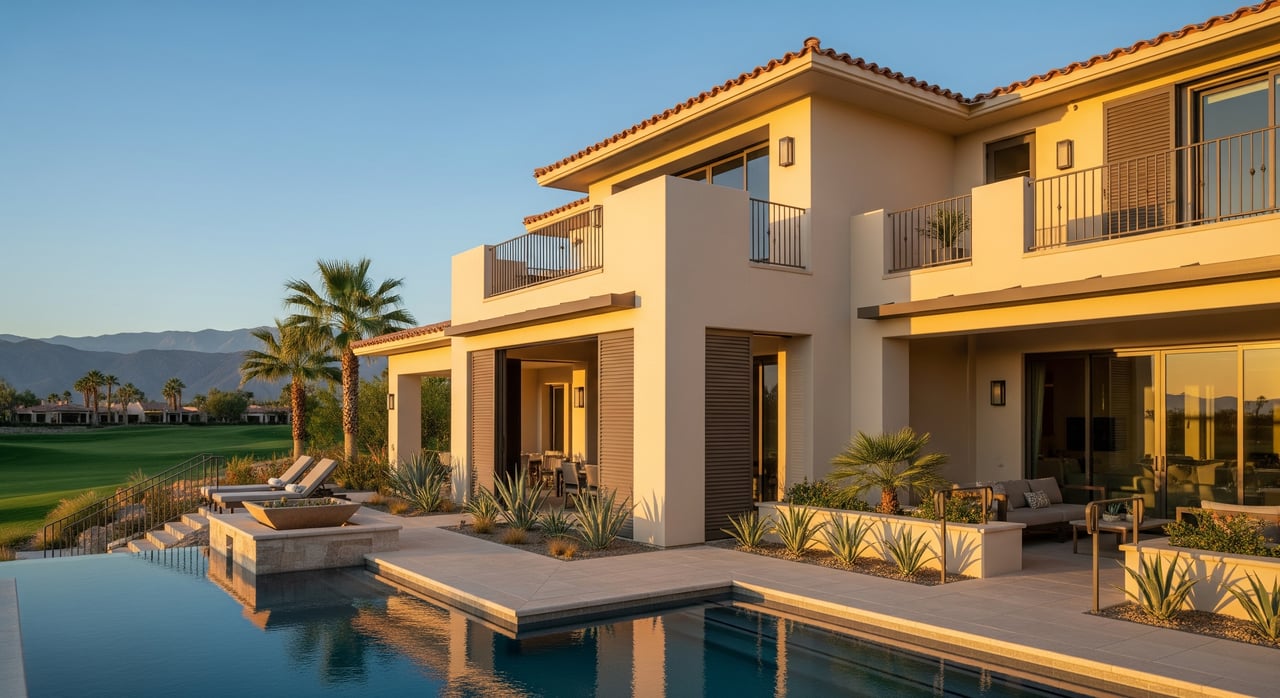
Trying to choose between a fairway view and an interior location at Palm Desert Resort CC? You’re not alone. Each option offers a different lifestyle, cost profile, and resale story. In this guide, you’ll get a clear, appraisal‑minded look at views, privacy, sun exposure, maintenance, insurance, rentals, and what to verify before you write an offer. Let’s dive in.
Fairway units: what you gain
Fairway-facing condos deliver open golf-course views and a classic resort feel. You can enjoy long sightlines across green space and landscaped fairways, with sunrise or sunset angles depending on orientation. If you value outdoor scenery and a sense of openness, these units often check that box.
You may also see stronger buyer demand for fairway views. In resort markets like Palm Desert, many buyers seek golf-course vistas. That said, value still depends on unit condition, layout, orientation, and how many similar view units are available at the same time.
Interior units: what you gain
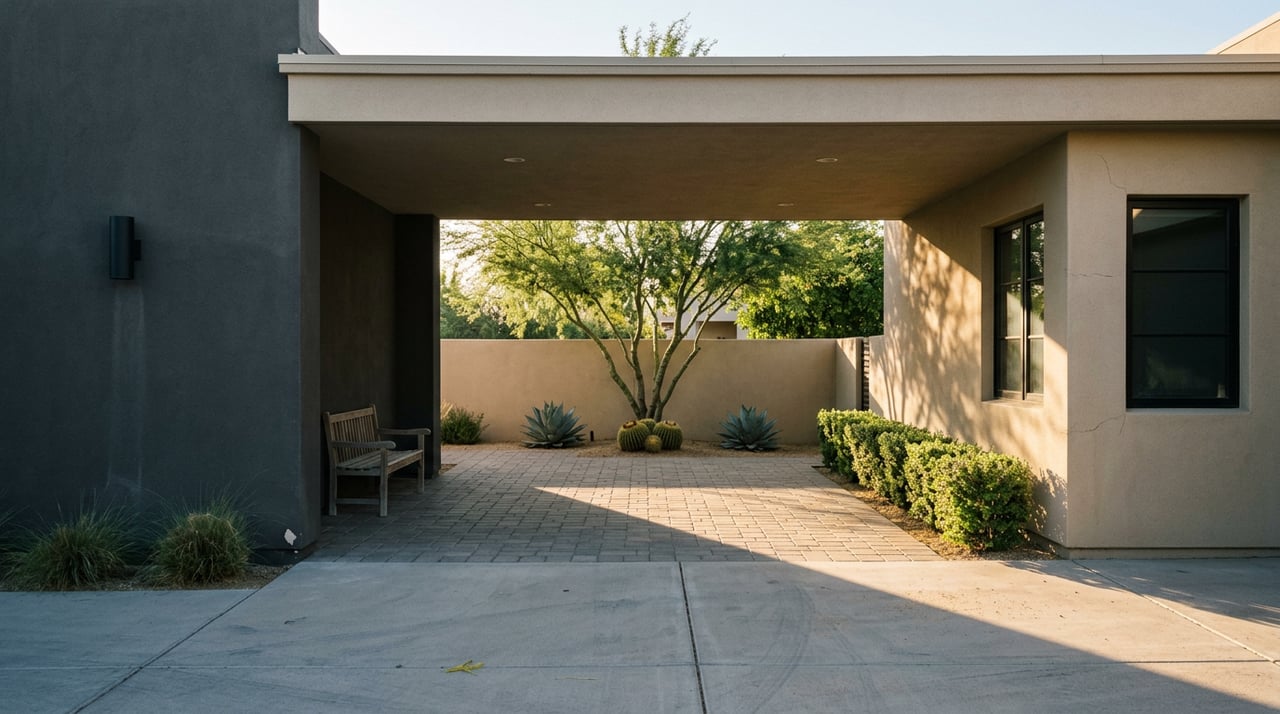
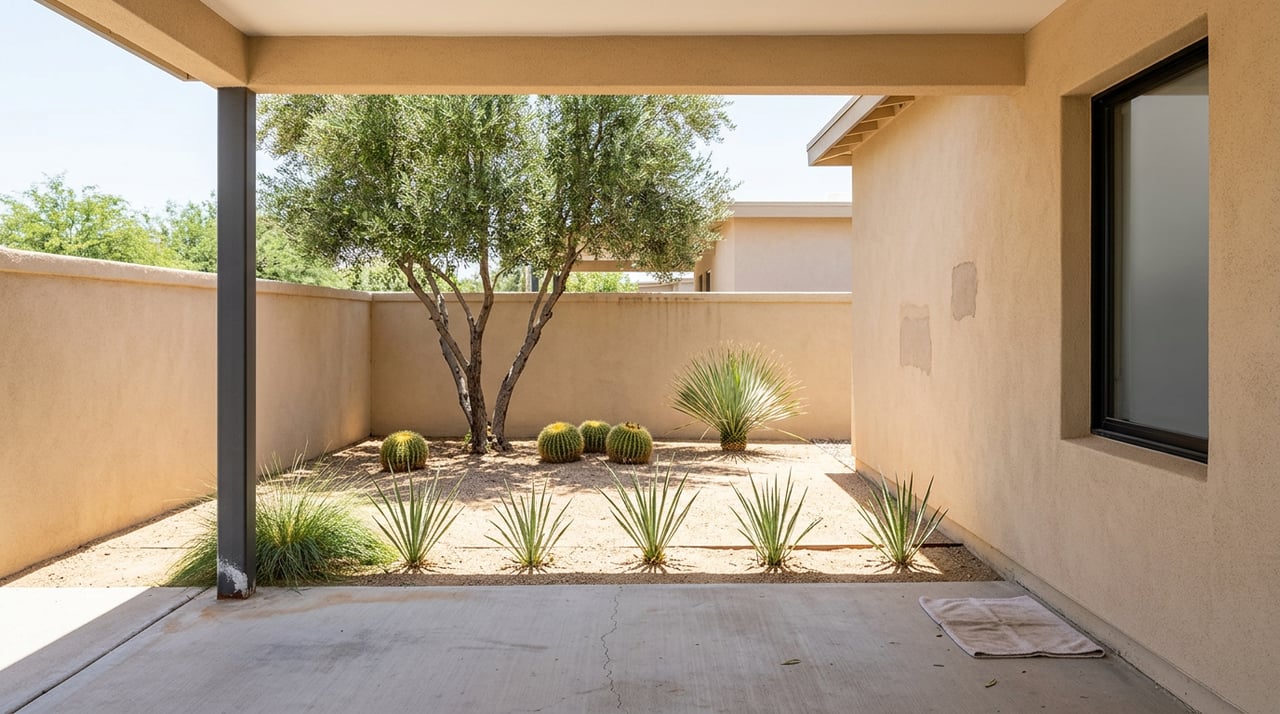
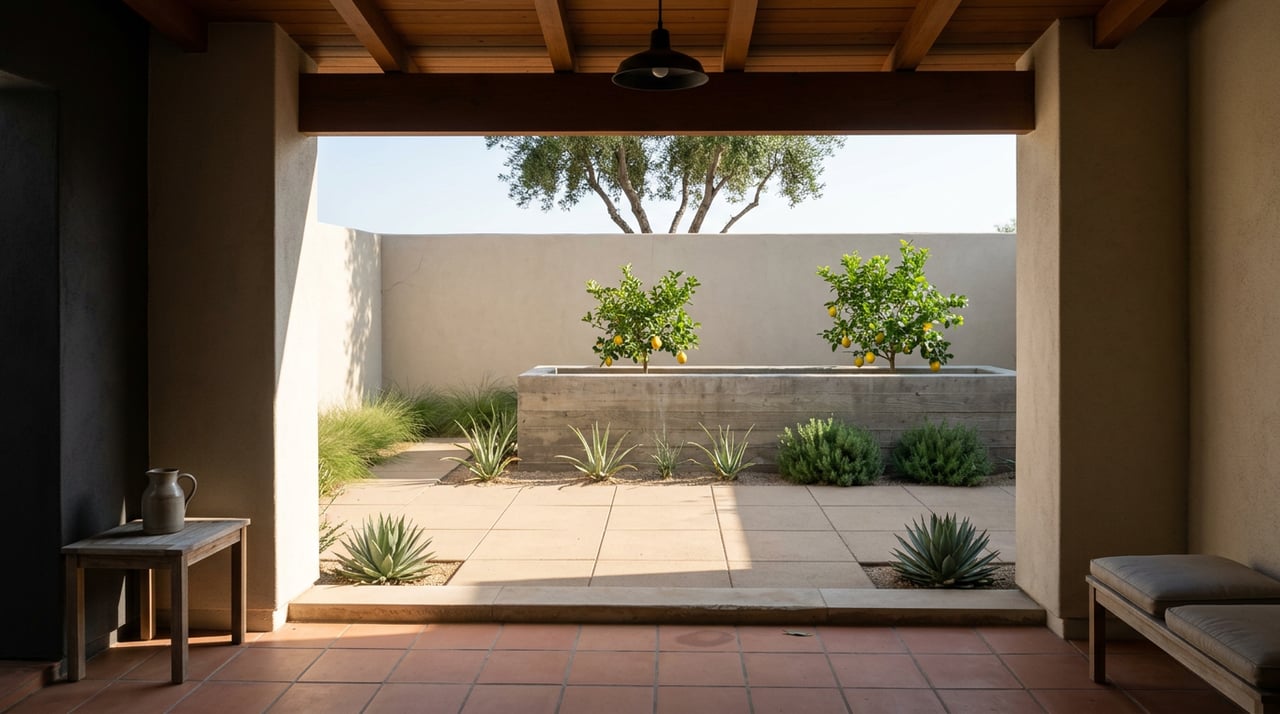
Interior locations often feel more private and sheltered from course activity. Your outlook may include landscaped courtyards, paths, or nearby buildings that create a calm, enclosed vibe. Many interior settings also place you close to internal parking or specific amenities, depending on the community layout.
These units can benefit from shade and buffering. With Palm Desert’s hot, dry climate, interior orientations sometimes reduce afternoon heat gain and cooling loads, especially when courtyards or neighboring structures offer shade.
Price and resale factors
View premiums are common, but not universal. Attractive views can support higher list prices or faster absorption, yet the premium varies by building, orientation, upgrades, and competing inventory. Appraisers typically make a view adjustment based on recent closed comps within the same complex rather than a fixed percentage.
To compare two specific units, focus on closed sales inside Palm Desert Resort CC that match for size, floor plan, age, and condition. Then isolate the view difference. Also factor total monthly cost, including HOA fees and utilities, to see how a premium view fits your budget.
Privacy, noise, and safety
Fairway-facing units come with open space and scenic activity. You might experience early-morning maintenance, golf carts, and players near tees or greens. Ask the HOA or course manager about typical maintenance hours so you can plan around mowing or blower times.
Errant golf balls are a real consideration along play corridors. Inspect windows, doors, and patio enclosures for past impact, and ask about any claims. Interior units tend to be quieter from course activity, which some buyers prefer for daily living.
Sun and energy costs
Orientation matters in Palm Desert. South and west exposures often run warmer in the afternoon, which can raise cooling costs. A west-facing fairway patio with little shade may require awnings, trees, or upgraded window glazing to stay comfortable.
Interior units that face shaded courtyards or are buffered by nearby buildings can see lower cooling loads. Whether fairway or interior, check HVAC age and condition, window type, and existing shade to estimate your energy profile.
Landscaping and maintenance
Fairway edges usually border irrigated turf. Overspray or runoff can reach patios and low walls, and landscaping products may be applied on schedules set by maintenance teams. Ask for irrigation maps and application calendars so you know what to expect.
Interior areas often feature xeriscaped or low-water plantings. These can reduce overspray and soil splash against exterior finishes. Regardless of location, inspect stucco and trim for staining or water exposure and confirm who maintains what under the HOA.
HOA rules and access
Rules and fees can vary by building and phase. Confirm CC&Rs, rules and regulations, the current budget, and the reserve study. Fairway addresses typically do not carry different fees, although unique maintenance responsibilities can exist in some communities. Verify with the HOA before you rely on any assumptions.
If you plan to host guests or rent seasonally, confirm policies and minimum stay rules. Ask about guest access, pet rules, exterior modification approvals, and clubhouse usage so there are no surprises after closing.
Insurance and hazards
Check the master insurance policy to see what the HOA covers and what you must insure separately. If there have been frequent glass claims near certain holes, premiums or deductibles can change over time. Ask for claim history and coverage details.
For risk mapping, review Cal Fire wildfire severity maps and FEMA flood maps by parcel. Palm Desert is an urban desert environment, yet localized factors can still matter. If you have structural or soil concerns, consider a property inspection and a review of construction records.
Rentals and income
Resort communities often attract seasonal renters. A fairway view can help with marketing if short-term or seasonal rentals are allowed, but income varies by season and policy. Confirm minimum rental periods, registration requirements, and any caps or restrictions.
Model net income after HOA dues, management, utilities, cleaning, and taxes. Compare the nightly or monthly rate you expect for a fairway view against any added costs or risks, then decide which location best supports your investment goals.
Due diligence checklist
Use this list to compare two units side by side inside Palm Desert Resort CC:
- HOA documents: CC&Rs, rules, recent minutes, budget, reserve study, and master insurance declarations.
- Fees and assessments: current HOA dues, special assessments, and any upcoming projects.
- Rental policy: minimum terms, registration steps, and enforcement.
- Orientation and activity: unit direction, proximity to tees, greens, or cart paths; maintenance schedules and event calendars.
- Impact history: any golf-ball strikes, glass repairs, or insurance claims.
- Landscaping and irrigation: sprinkler locations, overspray patterns, and drainage near patios.
- Physical condition: windows, doors, screens, patio enclosures, stucco, and shade structures.
- Energy profile: HVAC age and service records, window glazing, and shading.
- Hazards and utilities: wildfire and flood maps, local water rules, and utility provider notes.
- Appraisal-grade comps: same complex and floor plan where possible, with a clear adjustment for view.
Which unit fits your goals
- If you prioritize scenery and a resort feel, a fairway view may be worth the trade-off in activity and potential ball risk.
- If you value privacy, quieter surroundings, or lower afternoon heat, an interior orientation may suit you better.
- If you plan to rent, confirm rules first, then compare expected revenue for each location against costs.
Think of the decision as a simple matrix: views and activity versus privacy and shelter. Your best choice is the one that supports how you plan to use the home most days of the year.
How to reduce course-side impacts
- Add shade: awnings, umbrellas, or trees where allowed to soften afternoon sun.
- Improve glazing: consider impact-resistant or higher-performance windows for comfort and peace of mind.
- Use soft screens: hedges or privacy panels can provide separation from cart paths, subject to HOA approval.
- Time your use: enjoy patios outside of early maintenance windows when possible.
How we help you compare
You get a clear, appraisal-informed side-by-side analysis that controls for floor plan, upgrades, orientation, and view. We source closed comps within Palm Desert Resort CC, review HOA documents, and coordinate targeted inspections that address irrigation, glass exposure, shade, and maintenance activity.
We also help you model total monthly cost and, if relevant, seasonal rental potential under current rules. You get a confident decision backed by evidence and local knowledge.
Ready to compare specific units or request a valuation? Reach out to The Nick Miller Team for a calm, data-driven plan that puts your goals first.
FAQs
How much more do fairway units sell for here?
- View premiums vary by building, orientation, condition, and recent comps, so an appraiser will adjust based on local closed sales rather than a fixed percentage.
Are fairway units noisier than interior ones?
- You may hear early-morning maintenance and see cart or golfer activity near tees and greens; interior locations are often more sheltered from course noise.
Do fairway views change HOA fees or rules?
- Most communities assess similar dues by unit type, but you should confirm fee schedules, responsibilities, and rules with the HOA for your specific address.
Is golf-ball risk a real issue on the fairway edge?
- It can be near play corridors; inspect for past impact, ask about any claims, and review HOA permissions for screens, glazing, or landscape buffers.
Do rentals perform better with a fairway view?
- Fairway views can help marketing, but results depend on HOA rental rules, seasonality, and net income after expenses; verify policies and model revenue before you buy.
How can I estimate energy costs by orientation?
- Check sun exposure, shade, window type, and HVAC condition; west and south orientations often run warmer, while shaded interior courtyards can reduce cooling loads.