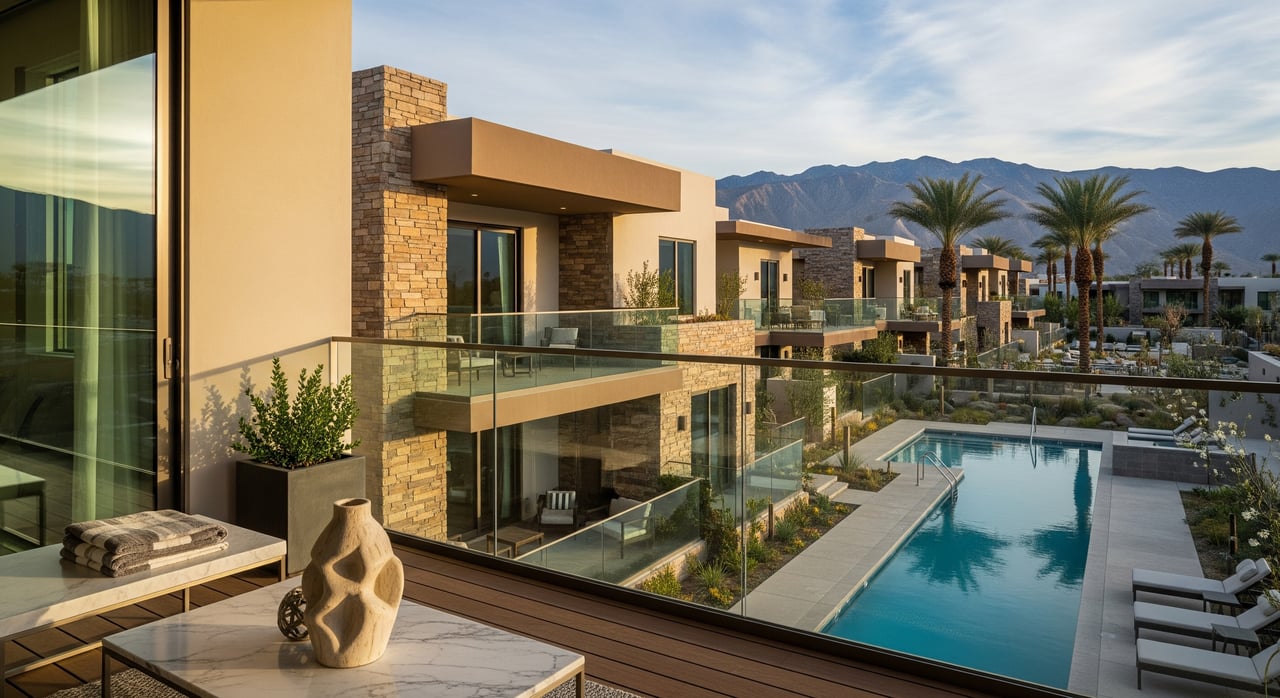
Thinking about buying or selling a condo in Mountain Cove in Indian Wells? Financing can be the make-or-break factor, and the words you’ll hear early are “warrantable” and “non-warrantable.” If you understand what those mean, you can plan your loan, set realistic timelines, and avoid last‑minute surprises. In this guide, you’ll learn how lenders evaluate condos, what affects warrantability in resort markets like Indian Wells, and the practical steps to keep your deal on track. Let’s dive in.
What “warrantable” really means
In simple terms, a condo project is warrantable when it meets the standards used by major conventional mortgage investors, mainly Fannie Mae and Freddie Mac. That lets a lender sell your loan into the secondary market. When a project is non-warrantable, those conventional programs may not be available, which can change your loan choices, rates, and down payment.
The only way to know if Mountain Cove is warrantable for a specific loan is for a lender to complete a formal condo project review. A listing, an HOA brochure, or a general comment is not enough. Ask your lender to confirm with a project review or with recent investor approvals.
Why status matters in Indian Wells
Warrantability affects your financing menu. If a project is warrantable, you may see more conventional options, often with lower rates and down payments. If it is non-warrantable, choices narrow to portfolio or specialty loans, which can cost more and take longer to close. For sellers, that smaller buyer pool can influence pricing and time on market.
In resort-oriented communities like Indian Wells and the broader Coachella Valley, rental activity and seasonal use are common. Higher investor ratios, older documentation, or reserve shortfalls can all come under extra scrutiny during a project review.
What lenders review in a condo project
Expect your lender to request a condo questionnaire from the HOA or management company along with supporting documents. Common review items include:
- Legal formation under California condo law and recorded CC&Rs and bylaws.
- Ownership concentration and whether any single party owns more units than allowed.
- Owner-occupancy and rental ratios across the project.
- Amount of commercial or non-residential space.
- HOA budget, financial statements, and reserve funding policy.
- Reserve study and adequacy of reserves for deferred maintenance.
- Insurance coverage on the master policy, including limits and deductibles.
- Pending or past litigation involving the HOA or project.
- Current or planned special assessments.
- Unit count and compliance with project documents.
Different programs have separate rules. Fannie Mae and Freddie Mac drive most conventional standards. FHA and VA have their own condo approval processes, which may include project-level or unit-level approvals. Individual banks and credit unions can add their own overlays.
Triggers that often make condos non-warrantable
Here are common red flags that can lead to a non-warrantable finding:
- One owner, developer, or investor controls too many units.
- A high percentage of rental or investor-owned units.
- Significant commercial or mixed-use components beyond program limits.
- Inadequate reserves or operating deficits at the HOA.
- Material, unresolved litigation involving the HOA.
- Onerous or frequent special assessments.
- Units not fully completed or shared ownership structures outside agency definitions.
If a project is non-warrantable, conventional conforming loans may not be available. FHA or VA could still be possible, but only if their separate approval paths are successful.
Financing options when a project is non-warrantable
If your lender determines Mountain Cove is non-warrantable for a specific program, you still have choices. Common paths include:
- Portfolio loans from local banks or credit unions. These are held in-house and come with lender-specific rules. They often require higher credit scores, larger down payments, and higher rates.
- Specialty portfolio lenders with condo experience. Some lenders focus on non-warrantable condos in resort markets and may know Indian Wells norms.
- Alternative income programs. For self-employed buyers, bank-statement loans or other non-traditional options may fit.
- Private or hard-money loans. Useful as short-term bridge solutions, though costs tend to be highest.
- Seller financing. A seller carryback can bridge gaps if both sides agree on terms.
- All-cash purchase. This removes the finance contingency and speeds up timelines.
- FHA or VA. These require project or unit approvals based on current agency policies. Work with a lender experienced in FHA/VA condo approvals to confirm feasibility.
Even in non-warrantable cases, experienced local lenders can often structure a viable plan. The key is early disclosure, fast document collection, and clear timelines.
Indian Wells and California specifics to know
California’s Davis-Stirling Common Interest Development Act sets many of the rules for HOA disclosures, budgets, reserve studies, and governance. Lenders, escrow, and title will expect compliant documentation. In Indian Wells and the Coachella Valley, many communities are resort-focused, with seasonal owners, golf amenities, and variable rental activity. Those dynamics can increase investor ratios and make HOA documentation more critical to timely approvals.
Management responsiveness also matters. Larger management companies often have dedicated processes for condo questionnaires and resale packages. Smaller or self-managed HOAs can still be excellent, but may need extra time to assemble documents. Build that into your timeline.
A practical due-diligence checklist for Mountain Cove
Coordinate with your agent, lender, and the HOA to gather the full picture early. Use this checklist when you enter escrow or even sooner:
From the HOA or management company
- Recorded CC&Rs, bylaws, and amendments.
- Current owner roster and unit schedule to verify occupancy and rental ratios.
- Current HOA budget and most recent financial statements.
- Latest reserve study and the HOA’s reserve funding policy.
- Insurance declarations for the master policy, including coverage amounts and deductibles.
- List and amounts of any current or planned special assessments.
- Summary of pending or past litigation involving the HOA.
- Board meeting minutes for the last 1 to 2 years, focusing on assessments, rules changes, and capital projects.
- Evidence of required California resale disclosures.
- Details on any commercial or non-residential space.
From the seller or listing agent
- Complete resale packet and HOA disclosures.
- Any known leasing or short-term rental restrictions.
From your lender
- The condo questionnaire your lender uses and a document request list.
- Whether they will submit for Fannie/Freddie or FHA/VA approval and the expected timeline.
- If non-warrantable, written alternatives outlining rates, down payments, and timing.
From title or your attorney
- Legal description of the unit and any title exceptions that could affect marketability.
Timeline: what to expect
- HOA document request: a few days to a few weeks, depending on management responsiveness.
- Lender project review: simple reviews can finish in 1 to 3 weeks. Full agency approvals can take longer.
- Financing shift if non-warrantable: sourcing portfolio or specialty loans can extend contingency periods and may change your close date.
Start the condo project review as soon as you go under contract, or even earlier if possible. For sellers, have your HOA contacts ready and share prior lender approvals if available.
Tips for Mountain Cove sellers
- Be transparent with buyers. Provide the full resale package quickly and disclose any known project-level issues.
- Encourage strong HOA governance. Adequate reserves, clean financials, and prompt responses help lenders approve projects.
- Anticipate buyer questions. Have rental policies, assessment history, and insurance details at hand.
- Price strategically. If the project limits financing options, you may need to adjust pricing or offer concessions to attract qualified or cash buyers.
Market and resale impacts
Warrantable projects attract a wider pool of buyers using lower-cost conventional mortgages. Non-warrantable status can reduce demand, increase time on market, and sometimes pressure pricing. In resort markets, seasonality can magnify these effects. Improving reserves, resolving litigation, and balancing rental ratios can strengthen lender acceptance, but those changes take time and community participation.
Smart next steps in Indian Wells
- Get pre-approved with a lender experienced in Coachella Valley condo financing before you write an offer.
- Order the HOA resale packet immediately when you enter escrow and send it to your lender the same day.
- Ask your lender to start the condo project review early. If non-warrantable, line up alternate options and timelines in writing.
- Review the reserve study, insurance, and litigation disclosures carefully so you understand both risk and cost.
If you want a clear plan tailored to Mountain Cove, reach out for local guidance backed by appraisal-level analysis and hands-on transaction support. When you are ready to make a move, connect with The Nick Miller Team for a focused financing and resale strategy.
FAQs
How do I confirm if Mountain Cove is warrantable?
- Ask your lender to complete a condo project review using the HOA questionnaire and supporting documents. That is the only reliable method to confirm eligibility.
Can I use FHA or VA for a Mountain Cove purchase?
- Possibly. FHA and VA have their own project or unit approval paths. You will need a lender experienced with FHA/VA condo approvals to evaluate the current rules and the project’s documents.
What happens if my lender says the project is non-warrantable?
- You can explore portfolio loans, specialty condo lenders, seller financing, or cash. Expect tighter underwriting, higher down payments, or higher rates compared with conventional loans.
Will non-warrantable status hurt my resale as a seller?
- It can narrow the buyer pool and extend time on market. Price strategy, early disclosure, and positioning toward qualified or cash buyers can offset the impact.
Which documents should I collect first to speed up financing?
- Start with the HOA resale packet, condo questionnaire, financials, reserve study, insurance declarations, and any litigation or assessment disclosures. Provide everything to your lender early.
What local factors in Indian Wells can affect warrantability?
- Higher investor ratios, seasonal use, and amenity-driven HOAs are common in resort markets. Lenders look closely at owner occupancy, reserves, and documentation quality in these communities.