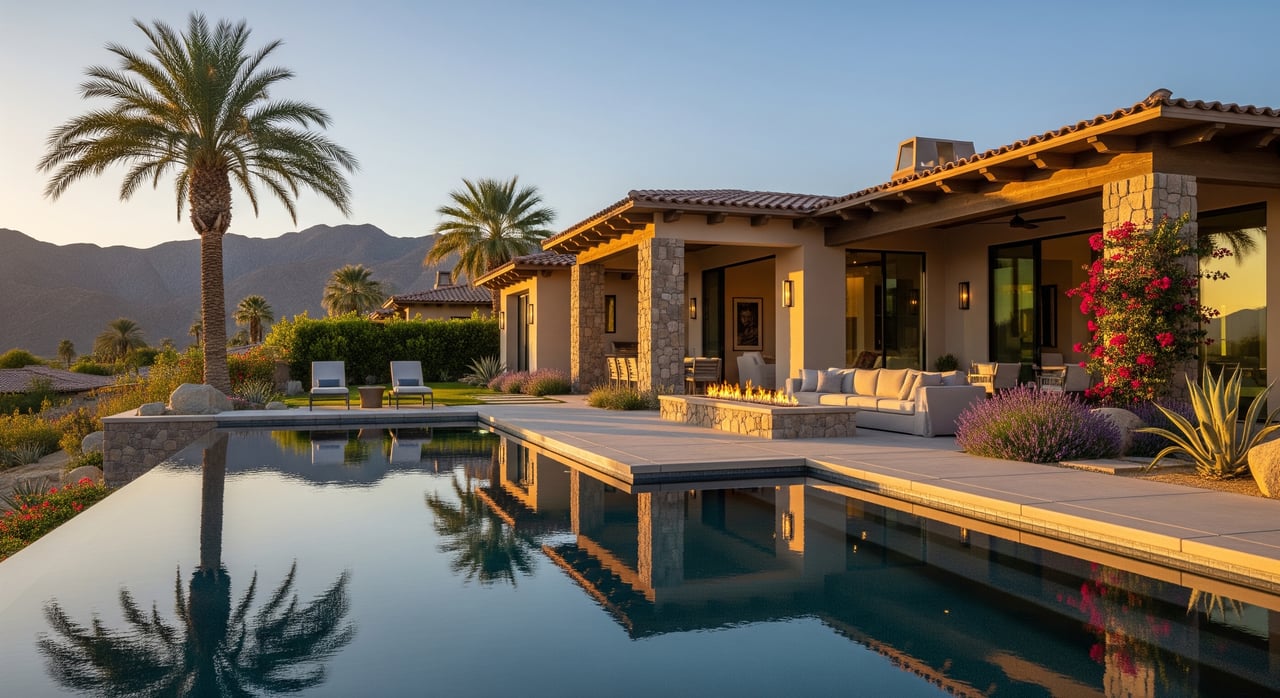
Picture this: pink-tinged mountains at sunrise, a quiet street, and your patio doors open to the desert air. If you’re curious about life in La Quinta Cove, you’re not alone. Many buyers are drawn to the easy outdoor access, simple home styles, and relaxed pace. In this guide, you’ll learn what daily life feels like, what homes look like, and what to consider before you buy. Let’s dive in.
Neighborhood snapshot
La Quinta Cove sits within the city of La Quinta in the Coachella Valley, tucked against the Santa Rosa Mountains. The neighborhood is residential and laid back, with most streets oriented toward mountain views and dramatic sunsets. You’re a short drive from Old Town La Quinta for coffee, dining, and weekend events, and close to resort golf and spa options across the valley.
Driving is the norm for errands and commuting. Public transit is available through the SunLine Transit Agency, but service levels are not the same as a big metro area. Most residents keep at least one car.
Daily rhythm in the Cove
Mornings
Cooler mornings are prime time. You might walk the neighborhood, hit a local singletrack, or plan a quick hike toward the mountains. Pool time and patio coffee are common, especially during peak season.
Daytime
You’ll find easy access to shops and services in Old Town La Quinta, and larger retail and medical hubs in Palm Desert and Palm Springs. Many homes are set up for indoor–outdoor living, so you may move between shaded patios and living rooms throughout the day.
Evenings and seasons
Evenings often mean grilling on the patio, watching the sky change, and casual neighborhood strolls. From fall through spring, the area feels more active with seasonal events and visitors. Summers are quieter and hot, so outdoor time shifts to early morning and later evening, with plenty of pool use.
Home styles you’ll see
Ages and architecture
Much of the Cove’s core housing was built from the 1960s through the 1980s. You’ll see single-story ranch and midcentury-inspired homes with low-slung rooflines and simple floor plans. Stucco exteriors and clay or concrete tile roofs reflect a Spanish and Mediterranean influence.
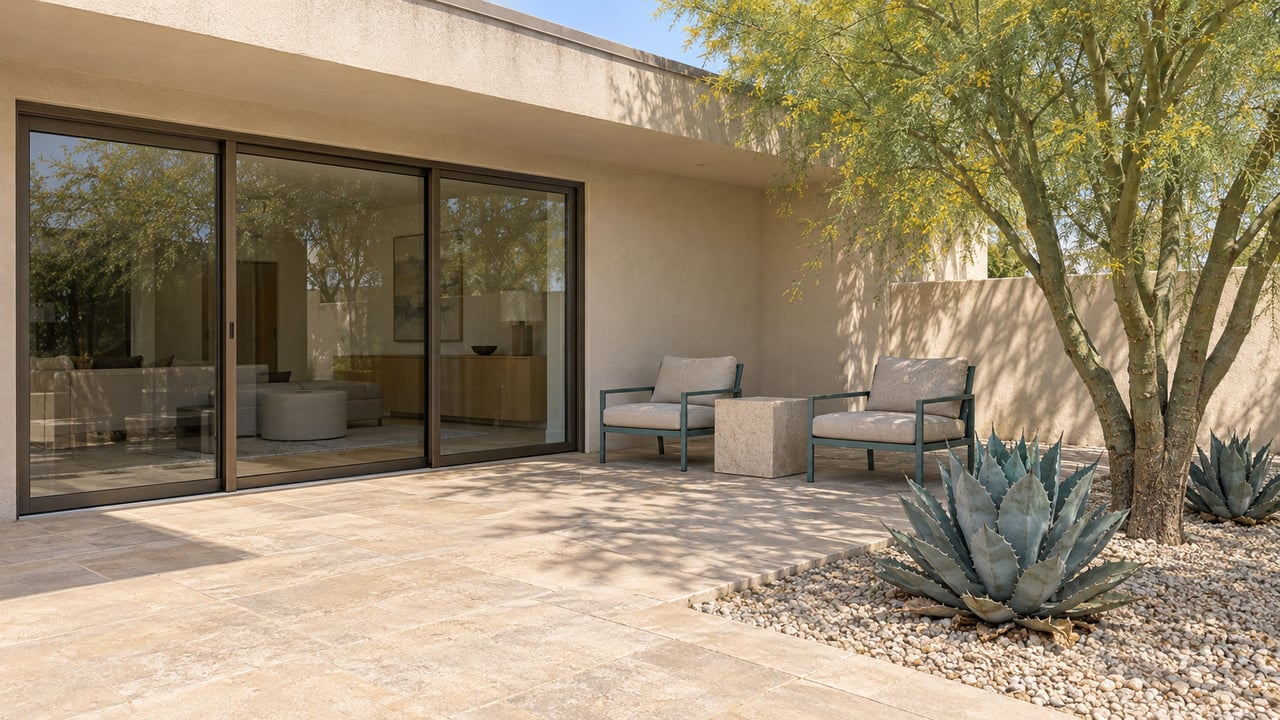
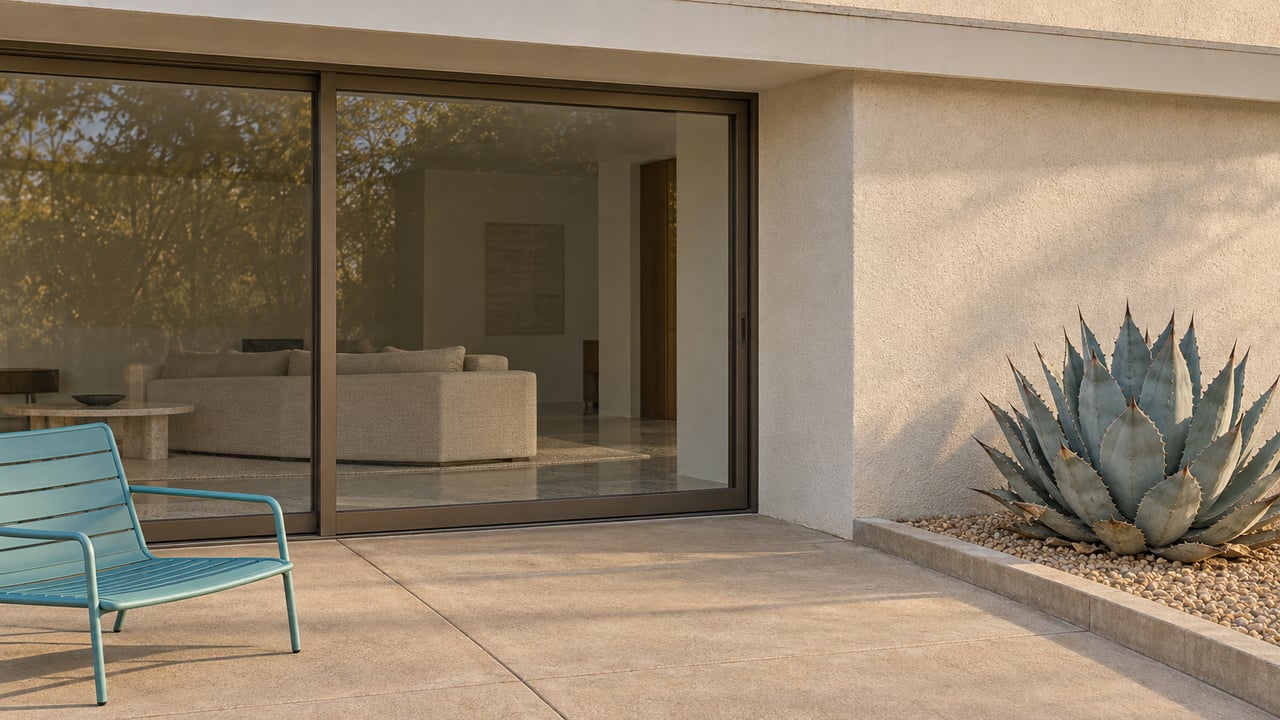
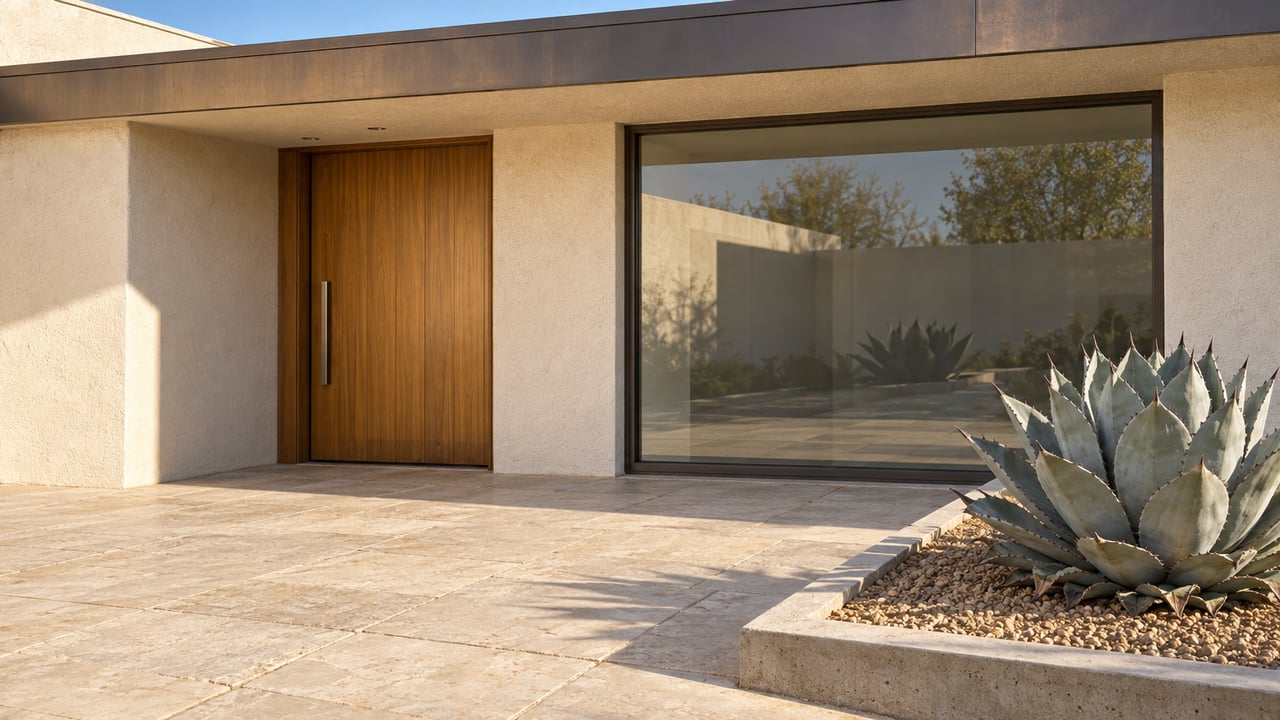
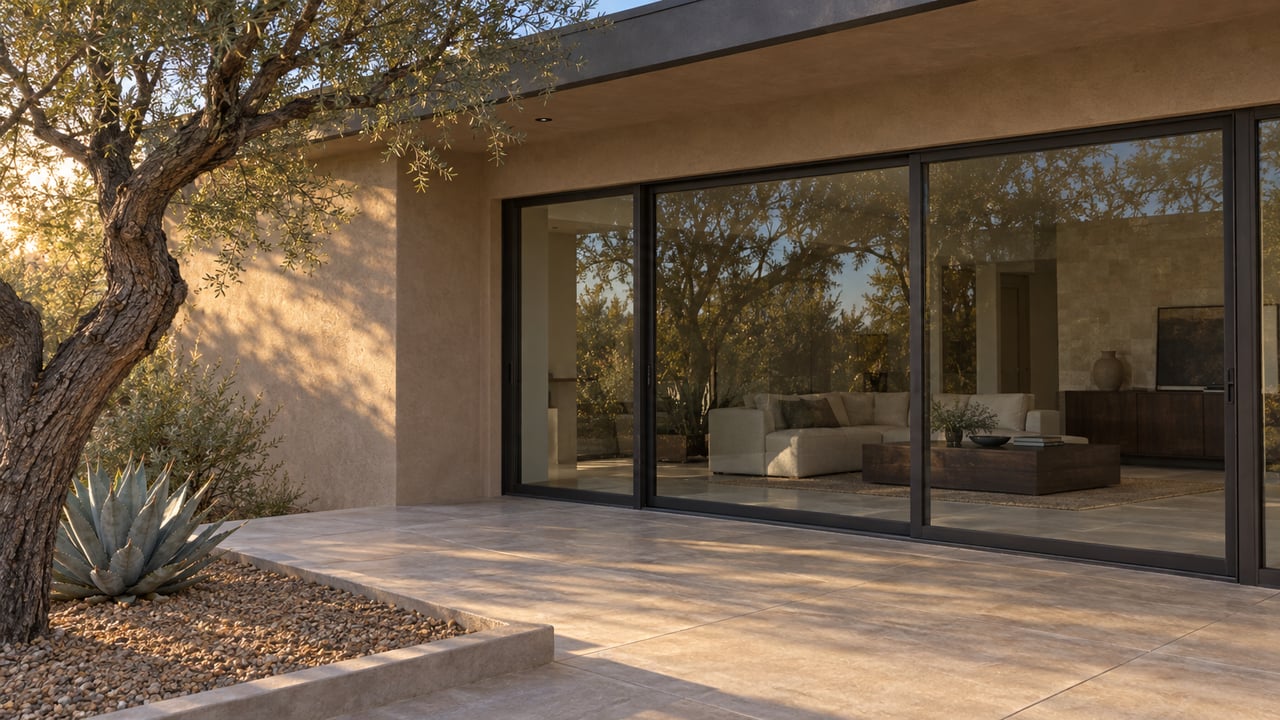
Newer infill and remodels add a desert-contemporary look. Many of these homes open up living spaces, bring in larger windows or glass doors, and orient rooms toward mountain views.
Lots and outdoor spaces
Lot sizes vary from modest to larger parcels, but most properties have walled yards for privacy and wind protection. Pools and spas are common due to the climate. Landscaping often uses xeriscape and drought-tolerant plants to conserve water, and some owners choose artificial turf for low-water lawn areas.
Courtyard entries and covered patios are signature features. These spaces support indoor–outdoor flow, afternoon shade, and sunset viewing.
Renovations and layouts
Renovations often focus on open kitchens, updated baths, and energy-efficient windows and doors. Many homes remain single-story, though some newer builds or remodels introduce split-level or two-story plans. Accessory dwelling units and guest casitas appear on some properties, which can support multigenerational living or flexible use.
Outdoor access at your door
Living in the Cove puts you near trailheads that lead into the Santa Rosa Mountains. Hikers and mountain bikers value this proximity to public lands managed within the Santa Rosa and San Jacinto Mountains National Monument. You also have a wide range of public parks and golf options across La Quinta and neighboring cities, plus regional festivals that add seasonal buzz to the valley.
Climate, comfort, and efficiency
What to expect from weather
La Quinta has a hot desert climate with very hot, dry summers and mild winters. Summer highs often exceed 100°F, while winter days usually land in the 60s to 70s. For a deeper look at temperature ranges and averages, check NOAA’s climate normals.
Energy and water considerations
Cooling is your main energy driver, so efficient HVAC, shade structures, window coverings, and modern pool equipment matter. Solar is common across the valley. Water conservation shapes landscaping choices, so expect drip irrigation, native or drought-tolerant plants, and limited turf.
Smart maintenance focus
When you evaluate a home, pay special attention to:
- HVAC age, tonnage, and service history.
- Roof and stucco condition, given sun exposure.
- Pool surface, equipment, and automation.
- Irrigation zones and controllers.
- Window glazing and shading.
Getting around and key services
Most daily trips are by car, with regional bus service from the SunLine Transit Agency. For schools, La Quinta neighborhoods fall within the Desert Sands Unified School District. Check the district’s current boundary and enrollment information, since assignments can change.
Emergency services and municipal support come from the City of La Quinta and partner agencies. You’ll find community programs, parks, and permitting through city departments, and larger medical networks within a short drive in the valley.
Rules and planning before you buy
ADUs and small-scale additions
California policy has made accessory dwelling units more attainable, and some Cove properties already include guest spaces. If you plan to add an ADU or modify a casita, review city permitting and zoning requirements early in your process.
Short-term rentals
La Quinta regulates short-term rentals. Before you consider rental income, confirm city rules, permit requirements, and any HOA restrictions that apply to your specific address. Seasonal events across the valley can influence occupancy and pricing, but compliance comes first.
Hazard awareness
The desert brings heat and strong sun, so shade, hydration, and heat-aware scheduling are part of daily life. Regional wildfire smoke can affect air quality at times. For flood questions, review parcel-level information on the FEMA Flood Map Service Center and consider how a specific home sits relative to washes or drainage channels.
Who tends to choose the Cove
You’ll see a mix of year-round residents and seasonal owners. The neighborhood draws buyers who value outdoor access, views, and relaxed residential streets. Design-minded buyers often seek renovated midcentury homes, while others prefer original floor plans they can update over time.
How to evaluate a Cove home
Use this quick framework to compare properties:
- Orientation and views: Where do main rooms and patios face? How are sunsets framed?
- Outdoor living: Shade, wind protection, and pool condition.
- Systems and efficiency: HVAC, windows, insulation, and solar.
- Layout and light: Single-story flow vs. multilevel, window placements, and glass doors.
- Maintenance exposure: Roof type, stucco wear, and irrigation setup.
- Rules and costs: Any HOA fees, property taxes, and special assessments.
If you plan to buy with rental goals, add a compliance check for short-term rentals and ADUs. If you’re focused on long-term comfort, model cooling costs and consider upgrades that reduce utility spend over time.
Your next step
Choosing the right La Quinta Cove home comes down to lifestyle fit and a clear-eyed view of value. You want the mountain backdrop, but you also want defensible pricing and a plan for systems, shade, and upkeep. That’s where local, appraisal-grade guidance makes a difference.
If you’re ready to tour or want a data-backed valuation, reach out to The Nick Miller Team for neighborhood-level advice, private listing access, and a clear pricing strategy.
FAQs
What is daily life like in La Quinta Cove?
- Expect quiet residential streets, morning walks or hikes, patio evenings, and most errands by car, with more activity from fall through spring.
What home styles are common in the Cove?
- Mostly single-story ranch and midcentury-influenced homes with stucco and tile roofs, plus remodels that add desert-contemporary finishes and indoor–outdoor flow.
How hot does it get and how do residents adapt?
- Summers are very hot, so outdoor time shifts to mornings and evenings, with pools, shade, and efficient cooling systems playing a big role.
Are there hiking options near the neighborhood?
- Yes. Trail access near the Santa Rosa Mountains connects to routes within the Santa Rosa and San Jacinto Mountains National Monument.
What should I inspect when buying a Cove home?
- Focus on HVAC, roof and stucco, pool equipment, irrigation, and window shading, along with any HOA rules or special assessments.
How are schools organized for the area?
- Public schools are in the Desert Sands Unified School District. Check current boundary maps and enrollment details for your specific address.
Is there public transit in La Quinta?
- Yes, the SunLine Transit Agency runs regional bus service, but most residents rely on cars for daily trips.