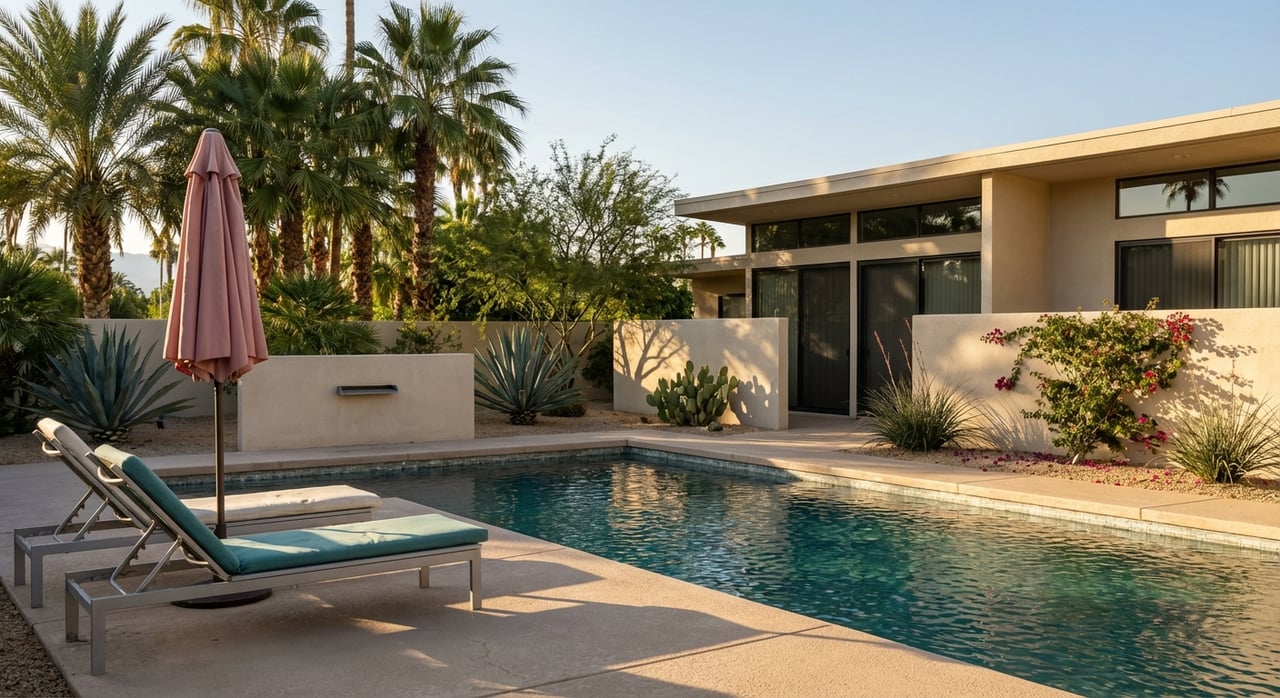
Looking for resort living without the private-club price tag? If you’re considering Palm Desert Resort Country Club, you’ll find a condo-centric community with big amenities, flexible club access, and a friendly, active vibe. You want a clear picture of the homes, HOA costs, memberships, and short-term rental rules before you buy. This guide breaks down the essentials, from floor plans and fees to a practical touring checklist so you can move forward with confidence. Let’s dive in.
Palm Desert Resort CC at a glance
Palm Desert Resort Country Club, often called “The Resorter,” is a gated, resort-style community in Palm Desert with approximately 960 homes spread across about 350 acres. Built primarily in the 1980s, it is organized around an 18-hole, par-72 golf course that stretches roughly 6,546 yards. You get a classic desert setting with mountain views, greenbelts, and a network of pools and courts that make daily life feel like vacation.
Key highlights:
- About 960 attached, single-story condominium homes
- 18-hole par-72 golf course with clubhouse, pro shop, and range
- Approximately 20 pools/spas spread throughout the community
- 28 pickleball courts and 7 tennis courts
- Multiple restaurants/café and an exercise area
The homeowners association is the Palm Desert Resorter HOA (PDRHOA), which manages residential common areas and services. Golf and clubhouse operations are run separately, with membership options available to homeowners and non-owners. You’ll want to confirm which amenities are included in your monthly dues and which require a separate membership through the club. You can learn more about the community on the official Palm Desert Resort site and the HOA portal.
- Explore the community and amenities on the official site: Palm Desert Resort CC
- HOA information and governance: Palm Desert Resorter HOA
Homes and floor plans
What you’ll typically find
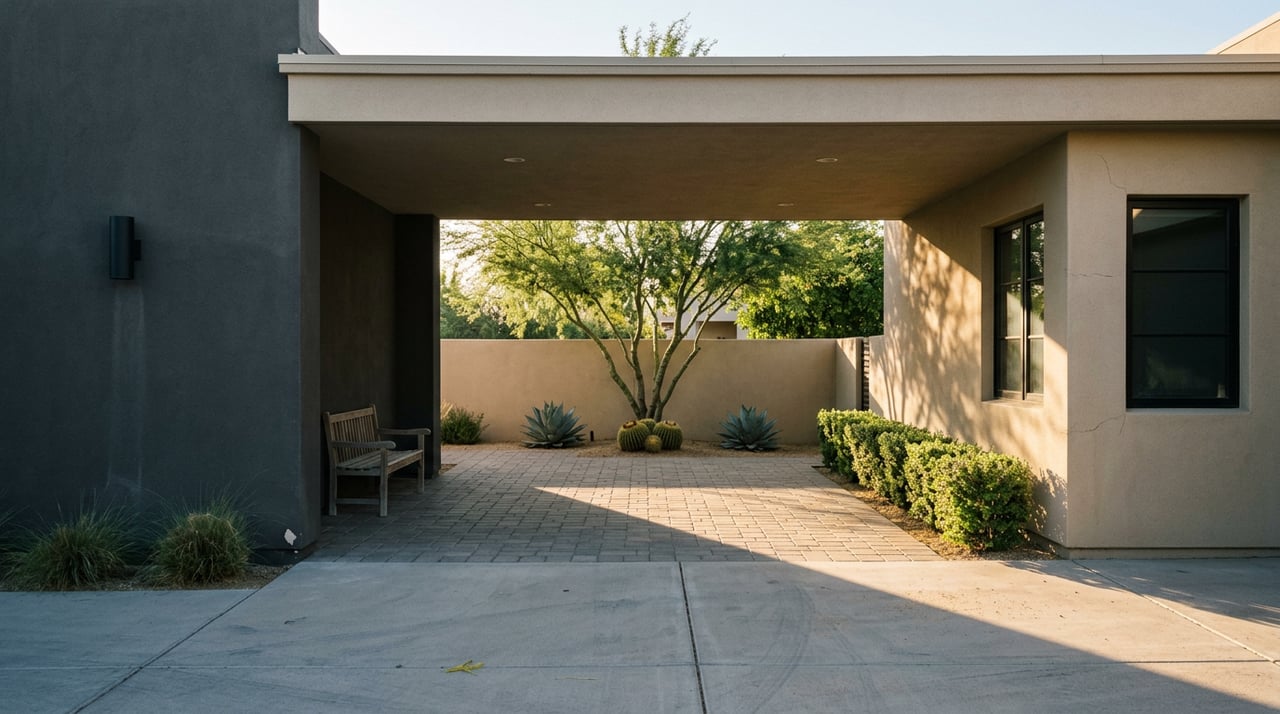
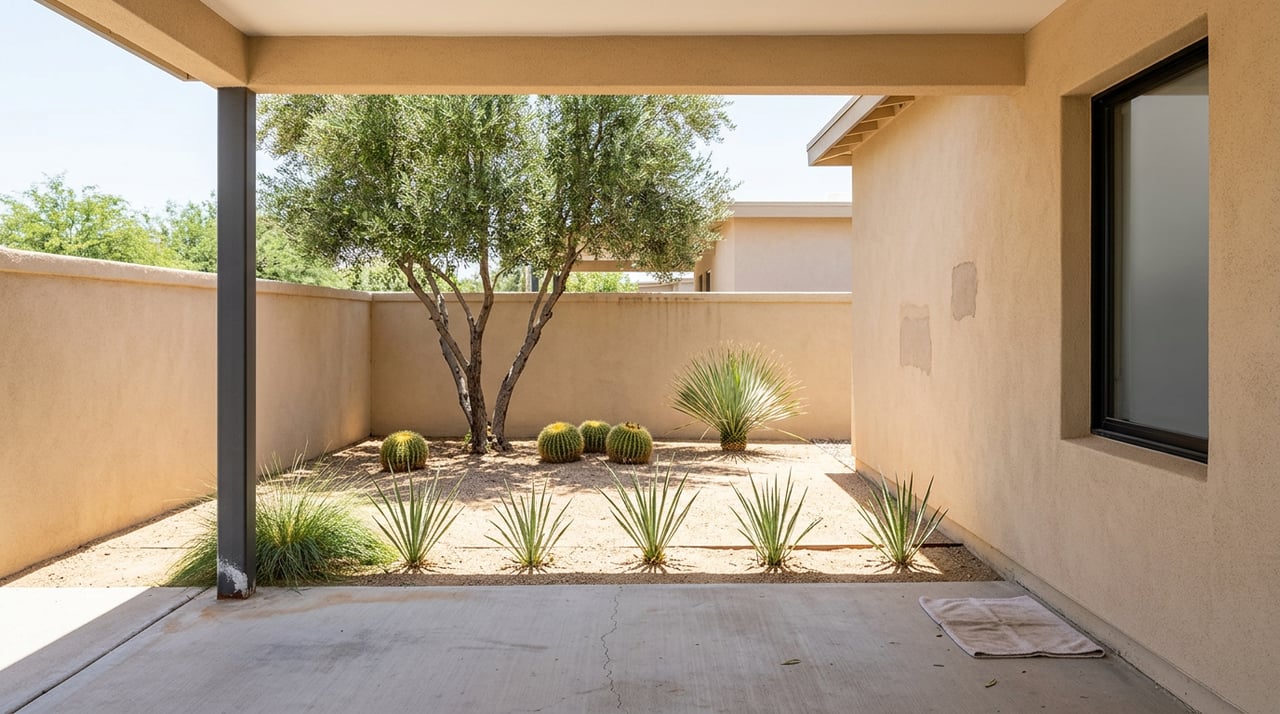
Inside the gates, homes are primarily paired, single-story condos built from roughly 1981 to 1989. Floor plans number around nine, with the most common sizes in the low-to-mid 800 square foot range up to about 1,360 to 1,400 square feet. Most layouts are 1 to 2 bedrooms with 2 baths, along with occasional den or 3-bedroom variations.
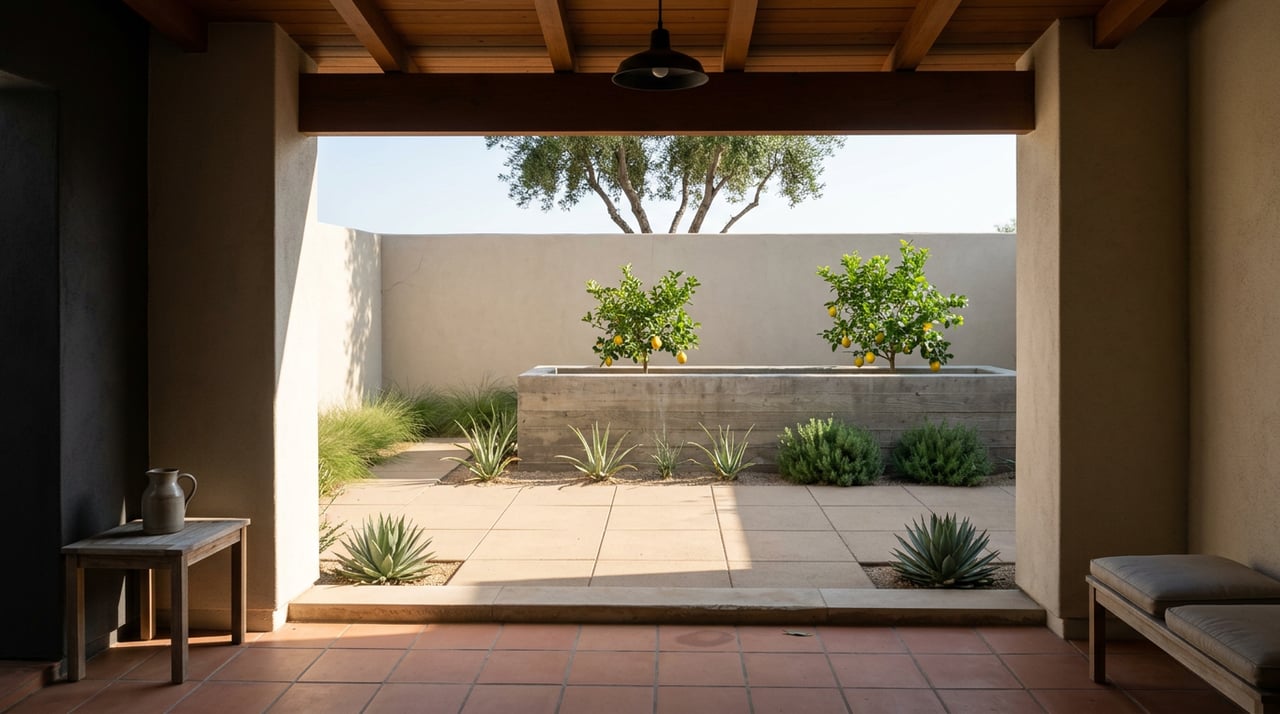
You’ll see compact, lock-and-leave footprints typical of 1980s desert developments. Many units have patios oriented to the golf course or greenbelts, creating an easy indoor-outdoor flow for morning coffee, sunsets, or entertaining.
Interior features to expect
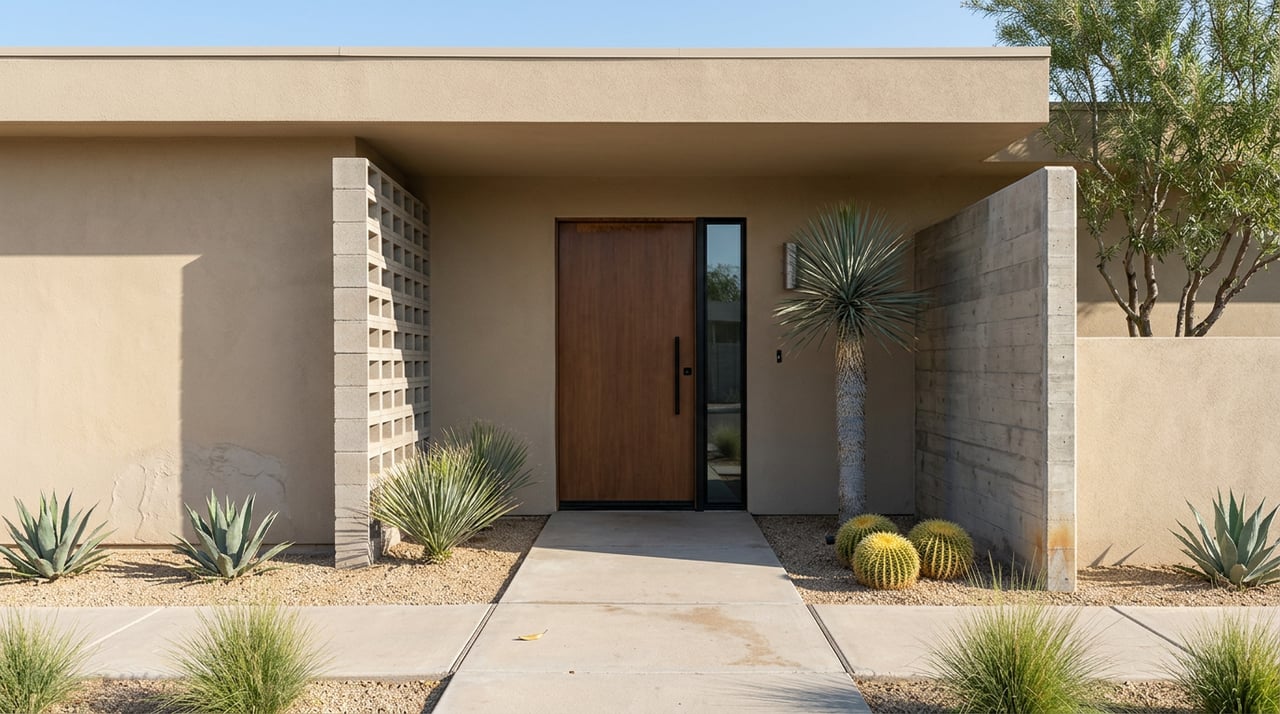
Common features include tile flooring, stucco exteriors, and vaulted or high ceilings in select models. Parking varies by building. Some units have carports while others may have garage access. Patio enclosures, shade screens, and upgraded sliders are common remodel items. Since many homes have seen updates over the years, compare system ages and finishes on each tour.
Price context
Recent listings in Palm Desert Resort CC commonly land in the mid 300s to low 400s, with final pricing shaped by view, condition, size, and location relative to the clubhouse or pools. Given the age of the homes, many updated units command a premium, especially those with golf or greenbelt views. If you plan to rent the home seasonally, remodel quality and system age can also influence rental performance.
Amenities, golf, and membership
Pools, pickleball, and tennis
If you value racquet sports and easy access to the water, this community stands out. The Resorter publishes a robust amenity package that includes approximately 28 pickleball courts, 7 tennis courts, and about 20 heated pools and spas across the property. Court availability and the distributed pool network make it easy to stay active without getting in a car. Review the community site for current amenity details and seasonal updates.
- See amenities and programs on the official community site
Golf course and memberships
The 18-hole, par-72 course spans roughly 6,546 yards and offers a mix of annual, monthly, and seasonal membership tiers. Homeowners enjoy distinct pricing from non-owners. Benefits typically include range access, preferred booking windows, and food and beverage discounts. Since fees and terms change seasonally, contact the pro shop for up-to-date options and homeowner benefits.
- Membership details and contact info: Golf memberships at The Resorter
Dining and social life
Clubhouse dining, a casual café, and an events calendar add social energy to the neighborhood. Some social access may be included with HOA-related privileges, but full golf and broader club benefits are generally tied to a paid membership. Ask the clubhouse about current guest rules, seasonal schedules, and homeowner perks.
HOA structure and monthly costs
How the HOA works
The Palm Desert Resorter HOA manages the community’s residential infrastructure, including roads, common-area landscaping, gates, and on-site staff. Because the development includes many buildings and tracts, monthly dues can vary by unit. In addition to master HOA dues, some buildings have an added sub-association fee. Golf and club operations run as a separate business.
- HOA governance and resources: Palm Desert Resorter HOA
Why dues vary
Listings in the community commonly show different monthly amounts from building to building. Observed examples include figures around 579 dollars, 759 dollars, and 845 dollars per month. These variations often reflect different line items or sub-association coverage. The resale packet for a specific unit is the best source for exact, current numbers.
What dues may cover
HOA dues typically include common-area landscaping and irrigation, gates and security, clubhouse and common-area maintenance, and trash. Depending on the sub-association, some exterior building or roof maintenance, master insurance, and community cable or communications may be included. Review the resale packet line by line to confirm what applies to your unit.
Reserves and special assessments
The community notes it uses a long-range reserve funding program. As a buyer, request the current reserve study, recent financials, and board meeting minutes to identify any planned major projects or potential special assessments. California law requires associations to provide key disclosures in the resale/estoppel packet, which is your official reference for accurate, up-to-date amounts.
- Learn what to expect in HOA resale disclosures: California HOA resale packet overview
Short-term rentals: key rules to know
The City of Palm Desert regulates short-term rentals under PDMC Chapter 5.10. If you plan to rent your unit for stays of 27 consecutive nights or fewer, you must follow the city’s permitting and operating rules and the HOA’s CC&Rs.
City rules at a glance:
Short-term rentals require a city STR permit and transient occupancy registration.
The minimum stay is three days and two nights.
Operators must be available 24/7 and respond within 30 minutes.
Occupancy is generally two persons per bedroom; daytime guest limits apply.
You must post the permit number in advertising and file monthly TOT reports, even for months with no bookings.
The ordinance does not override HOA rules. If the CC&Rs restrict STRs, that restriction stands.
Read the municipal code: Palm Desert PDMC Chapter 5.10
Short-term rentals are practiced in the community. You will see seasonal and short-stay listings marketed on major platforms. That said, compliance runs on two tracks: city requirements and HOA rules. Verify the specific unit’s eligibility in writing before you buy.
How it compares nearby
Within the Palm Desert country-club landscape, Palm Desert Resort CC generally sits at a more affordable, mid-range price point compared to many private single-family clubs. The product mix is largely attached, single-story condos with a strong emphasis on pickleball and distributed pools. By contrast, some nearby clubs lean toward detached single-family homes, more private golf experiences, and higher price medians. Club access here is flexible, since golf and clubhouse operations are separate and offer homeowner membership pricing rather than automatic, bundled membership.
- Explore The Resorter’s amenity and membership model: Palm Desert Resort CC
Touring checklist for serious buyers
Documents to request
HOA resale/estoppel packet with CC&Rs, bylaws, current budget, latest reserve study, insurance summary, any pending special assessments, current regular assessments, 12 months of minutes, and any litigation disclosures.
Any sub-association budgets and fees for the specific unit, confirming whether there are separate monthly charges.
If you plan to rent: written confirmation of STR eligibility under the CC&Rs plus the city’s permit rules, including the minimum stay, occupancy limits, 24/7 contact requirement, and TOT reporting.
Reference for resale disclosures: California HOA resale packet overview
City STR rules: PDMC Chapter 5.10
On-site checks during your tour
- Orientation and heat: Note patio exposure. South and west orientations can run warmer in peak summer. Check shade screens and enclosure quality.
- Proximity to amenities: Walk the route to the nearest pool, pickleball courts, tennis courts, and clubhouse if quick access matters to you.
- Parking and storage: Confirm whether the home includes a carport or garage space, where guests can park, and any gate or transponder fees.
- Mechanical systems: Check the age and condition of HVAC, water heater, appliances, and windows or sliders. Replacement costs can be meaningful.
- Exterior items: Ask about roof schedules, common-area projects, and anything in the reserve plan that could affect your budget.
Questions to ask the HOA, club, or listing agent
- “May I review the current budget, the latest reserve study, and minutes from the last 12 months?”
- “Does this unit have a separate sub-association fee? What does it cover?”
- “Is short-term rental allowed for this unit under our CC&Rs? Any recent approvals or denials?”
- “Which clubhouse, tennis, pickleball, or social benefits are included with HOA dues, and which require a separate purchase? Can you share current membership pricing?”
Who buys here and why it works
If you want an active, resort-style lifestyle with broad amenities and a simplified, condo-based footprint, Palm Desert Resort CC is a strong fit. The distributed pools, deep pickleball program, and flexible golf memberships deliver a lot of lifestyle per dollar. Investors who plan to rent seasonally appreciate the city’s clear STR framework and the community’s rental history, provided they follow both the HOA and the city rules.
Bottom line
Palm Desert Resort Country Club offers a high-amenity, condo-focused lifestyle with strong value in Palm Desert. You get a wide spread of pools, one of the valley’s most active racquet scenes, and a golf course with flexible membership options. The essentials to verify are simple: your exact HOA and sub-association dues, reserve health and planned projects, and—if renting—the city’s STR permit requirements and the HOA’s CC&Rs. With those boxes checked, you can move forward with confidence.
Ready to tour homes, compare floor plans, and map out ownership costs with appraisal-grade clarity? Connect with The Nick Miller Team for local guidance, valuation expertise, and a step-by-step plan.
FAQs
What types of homes are in Palm Desert Resort CC?
- Mostly attached, single-story condominium homes built in the 1980s, with about nine floor plans ranging from the low-to-mid 800 square feet to roughly 1,360 to 1,400 square feet, typically 1 to 2 bedrooms with 2 baths.
How do golf memberships at The Resorter work for homeowners?
- Golf and clubhouse operations are separate from the HOA. Homeowners can purchase memberships with specific pricing tiers and benefits. Terms change seasonally, so confirm current options with the pro shop via the membership page.
What do HOA dues typically cover in this community?
- Dues commonly include common-area landscaping and irrigation, gates/security, clubhouse/common-area maintenance, and trash. Some sub-associations may include exterior building items, master insurance, or community cable. Verify details in the resale packet.
Why do HOA dues vary between units at Palm Desert Resort CC?
- The development has multiple buildings and tracts. In addition to master HOA dues, certain buildings carry a separate sub-association fee. Exact amounts and coverage vary by unit and are documented in the resale/estoppel packet.
Are short-term rentals allowed at Palm Desert Resort CC?
- Short-term rentals must comply with both the City of Palm Desert’s rules under PDMC Chapter 5.10 and the HOA’s CC&Rs. The city requires a permit, a minimum stay of three days and two nights, and monthly TOT reporting. The HOA may set additional restrictions. Review both sets of rules before you buy.
How many pools and courts are available to residents?
- The community publishes approximately 20 pools/spas, 28 pickleball courts, and 7 tennis courts, making it one of the more racquet- and aquatics-friendly condo communities in Palm Desert.
What is the golf course like at Palm Desert Resort CC?
- It is an 18-hole, par-72 course of about 6,546 yards, with a clubhouse, pro shop, and driving range. Membership options offer range access, advance booking, and F&B discounts. Check the official golf page for current details.