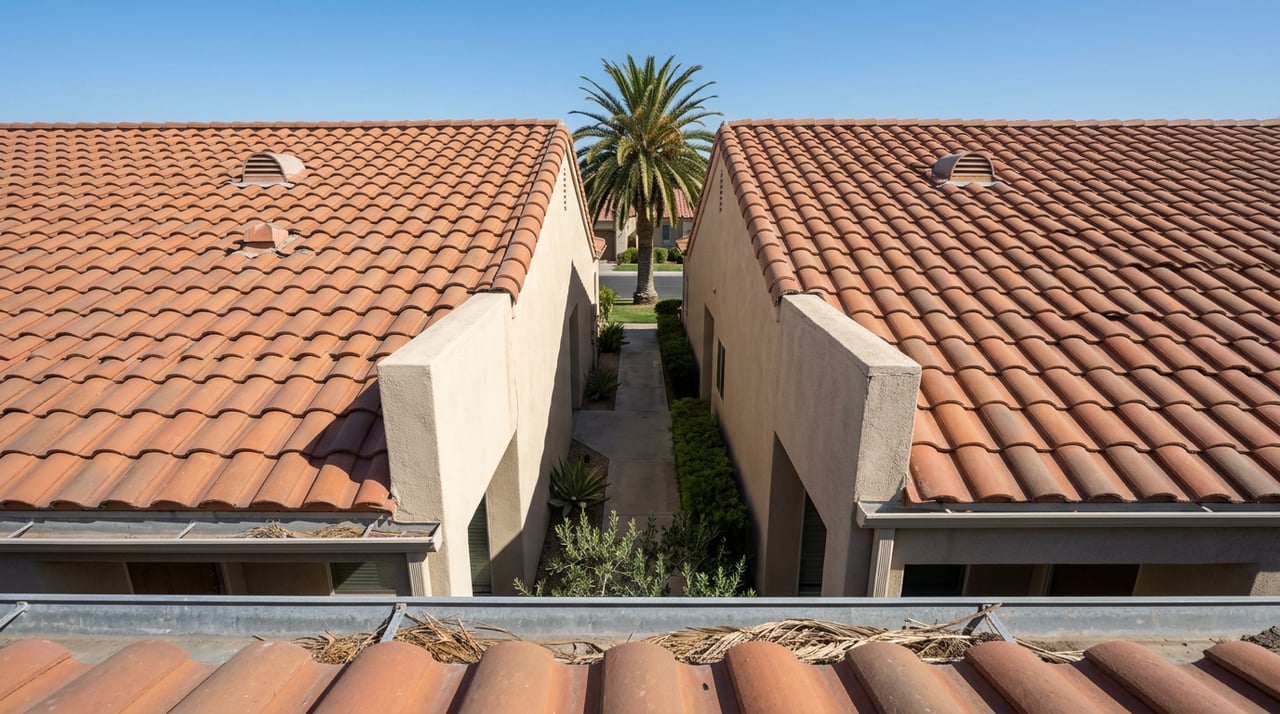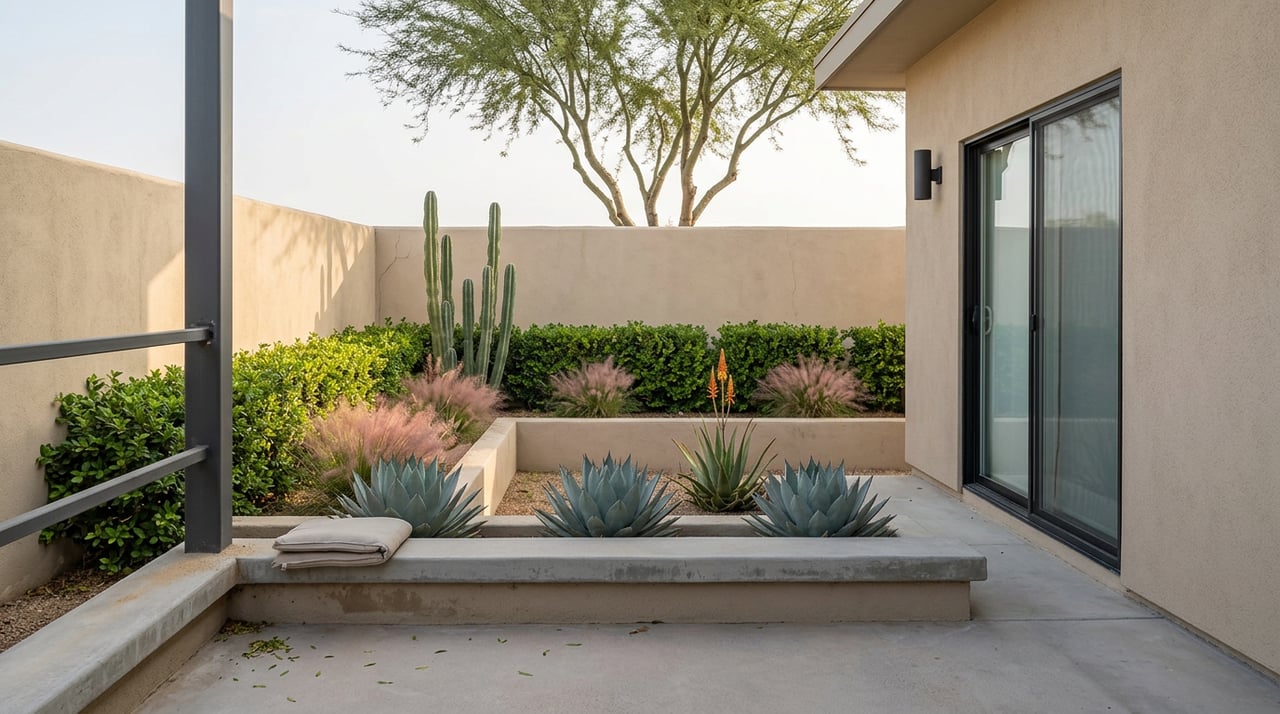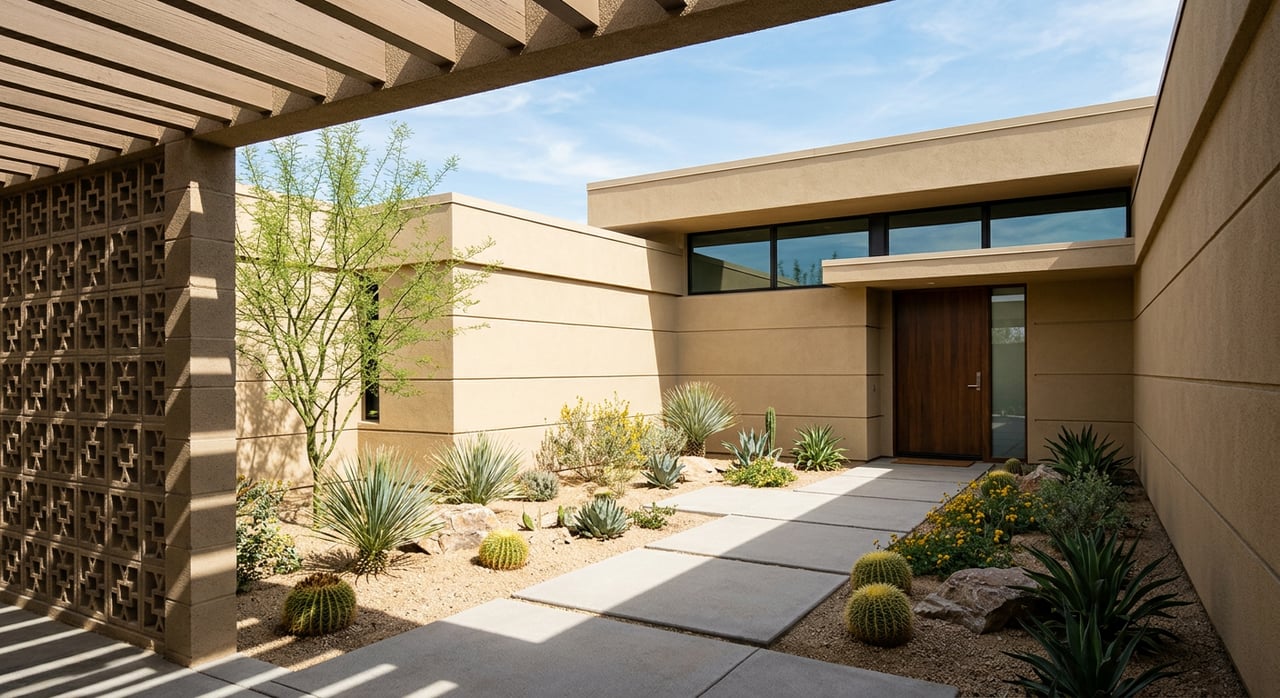
Looking for a sunny lock-and-leave desert retreat without Palm Springs prices? You are not alone. Many buyers eye Cathedral City for resort amenities, easy airport access, and a friendlier entry point on price. In this guide, you will learn how second homes here actually work, from property types and HOA tradeoffs to short-term rental rules, insurance, and resale. Let’s dive in.
Why choose Cathedral City for a second home
Cathedral City offers a value play in the western Coachella Valley. Recent market snapshots show the median sale price sitting well below neighboring Palm Springs and Rancho Mirage. That price gap draws second-home buyers who want golf, pools, and mountain views without stretching their budget.
Seasonal ownership is common. The city’s Housing Element cites 3,499 housing units classified as “seasonal, recreational, or occasional use,” underscoring that many owners here come and go throughout the year. You should expect some neighbors to be part-time residents and amenities built around that pattern. You will also see owner-occupancy rates reported in the low-to-mid 60 percent range depending on the dataset and year, which is typical for desert cities with a notable vacation-home mix. You can review the city’s housing analysis to understand that context in detail in the Cathedral City Housing Element.
Location matters. Cathedral City sits close to Palm Springs International Airport, shopping, restaurants, and multiple club communities. For many buyers, the balance of convenience, amenities, and relative affordability is the core reason to focus here.
Best property types for lock-and-leave living
Resort condos and townhomes
Resort communities like Desert Princess Country Club and Cathedral Canyon Country Club are popular with second-home buyers who want a true low-maintenance setup. These neighborhoods often include multiple pools, golf access, clubhouse activities, and on-site management. Dues are higher than a typical small HOA, but many cover exterior maintenance, landscaping, common-area insurance, and gated security. In return, you get simple ownership and predictable monthly costs.
When you compare communities, look closely at what the dues include and the association’s financial health. In the valley, it is common to see dues range from the low hundreds to well over nine hundred dollars per month in amenity-rich clubs. The higher number is not automatically a red flag if it offsets services you would otherwise hire yourself.
Some resort communities have units on land leases rather than fee-simple land. That can affect financing and resale. See the land-lease section below for what to verify early.
Single-family homes and PUDs
If you want more privacy and control, single-family homes or planned unit developments can be a great fit. You will likely have lower or no HOA dues, and you control design choices, service vendors, and upgrades. The tradeoff is management. You are responsible for pool service, landscaping, irrigation, pest control, periodic check-ins, and rapid response if the AC acts up during a heat wave.
If you plan to visit only a few times a year, consider a caretaker plan or a lightly managed service package. Reliable local vendors or a trusted property manager can make fee-simple ownership feel close to lock-and-leave.
Understand land lease versus fee simple
In parts of Cathedral City, some properties sit on a land lease rather than fee-simple ownership of the lot. With a leasehold, you own the improvements but lease the land for a set term with specified rent and escalations. Lenders usually require a minimum remaining lease term well beyond the loan’s maturity, clear subordination terms, and full documentation. Resale can also be impacted because the buyer pool is often smaller and underwriting is stricter.
Action steps:
- Ask for the full land-lease document and all amendments before you finalize financing. Note the remaining term, rent escalators, and assignment rules.
- Confirm lender eligibility early. If you are using a government-backed loan or a specific jumbo product, get your lender’s leasehold criteria in writing.
- Factor the ground rent into your long-term holding cost and compare it to similar fee-simple options.
Short-term rental rules that shape your plan
If you expect rental income, Cathedral City’s short-term vacation rental rules are essential homework. The city runs a detailed program under Chapter 5.96 that covers permits, safety inspections, advertising requirements, occupancy, and noise. Unpermitted operation can result in steep fines. You can review the framework in the City’s STVR program materials.
The city also adopted Ordinance No. 855, which places an indefinite stay on issuing many new short-term rental permits in common residential zones. This is a major factor for buyers who plan to rent. A home that already holds a valid, renewable permit is very different from one that cannot get a new permit today. Read the specific moratorium language in Ordinance No. 855.
For stays under 30 days, the city’s Transient Occupancy Tax is 12 percent, and operators must register, collect, and remit tax. Learn more on the Transient Occupancy Tax page. The city also implemented the state platform reporting law (SB 346) to improve compliance and data sharing with booking sites. That means stronger enforcement if you underreport or advertise without a permit. See the council’s adoption action here: SB 346 implementation.
If you do plan to operate a short-term rental, get very specific in writing before you release contingencies. The city outlines permit steps, inspections, TOT setup, and advertising rules on its Managing Your Short‑Term Vacation Rental page.
HOA vs. non-HOA: cost and control
HOA communities tend to trade higher monthly dues for lower effort. You gain landscaping, exterior maintenance, common pools, sometimes security, and occasionally basic cable or internet included. For many second-home owners, the reduction in to-do lists is worth the premium.
Non-HOA or low-dues neighborhoods put you in charge. You will coordinate pool maintenance, landscape care, irrigation checks, pest control, off-season home visits, and seasonal HVAC service. If you are not on-site often, budget for a local caretaker or manager.
What to review in HOA documents
Ask for the association’s most recent budget, reserve study, and meeting minutes. Strong reserves reduce the chance of surprise special assessments that can hit resale value. California’s Davis-Stirling Act details required disclosures and how HOAs should plan for long-term repairs. For a plain-language primer on fees and assessments, this HOA fees and assessments FAQ is a useful reference.
If you skip the HOA
Build a simple service plan so the home stays turn-key:
- Pool and equipment service year-round or at least through your high-use months.
- Monthly or quarterly property checks to catch leaks, pests, or AC issues early.
- Landscape and irrigation management that fits current water rules and keeps curb appeal sharp.
- Annual HVAC and roof inspections ahead of peak season.
If you will rent short-term, full-service managers in many U.S. markets charge roughly 18 to 35 percent of rental revenue for bookings, guest support, cleaning coordination, and pricing. Use that as a planning benchmark, then get local quotes. See a national overview of fee ranges here: How much do Airbnb property managers charge.
Insurance, hazards, and taxes to factor in
Fire hazard maps matter for insurance and clearance rules. Cathedral City’s 2025 Fire Hazard Severity Zone classification in Local Responsibility Areas is Moderate. That is different from Very High zones you may see in surrounding foothills. It still pays to compare quotes and confirm pool, wind, flood, earthquake, and short-term rental endorsements as needed. You can read the update summary here: 2025 FHSZ maps for Cathedral City.
Review the property tax bill for special taxes. Some tracts use Community Facilities Districts, often called Mello-Roos, which add a recurring charge. Ask the seller for the most recent bill and any CFD disclosures, then confirm the amount with the county. See an example of Cathedral City CFD documentation in the CFD ordinance records.
If you plan to rent short-term, remember to model the 12 percent Transient Occupancy Tax and any applicable tourism assessments alongside management fees and cleaning costs. Align your insurance policy with rental use so you are properly covered.
Resale keys in Cathedral City
The features that tend to help resale are straightforward:
- Proximity to airport, shopping, and club amenities.
- Fee-simple ownership, which appeals to a wider buyer pool and is typically easier to finance.
- Well-funded HOAs with clear maintenance plans and minimal special-assessment risk.
- Homes that show year-round usability with strong HVAC, efficient pool equipment, and drought-savvy landscaping.
On the flip side, a few elements can narrow your buyer pool:
- Land leases and ground rents that reduce loan options or concern future buyers.
- Dependence on a short-term rental permit in a zone affected by the moratorium. Buyers who need STR income often pay premiums for already-permitted homes and avoid those that are ineligible.
- High HOA dues without clear-value inclusions. If dues are elevated, be ready to show exactly what they cover and why the home is simpler to own.
A simple buyer checklist
Use this quick list to stay organized and protect your value:
Confirm fee simple versus leasehold, and if leasehold, get the full lease and amendment history early. Ask your lender to confirm eligibility in writing.
Request the HOA budget, reserve study, CC&Rs, and recent meeting minutes. Compare dues inclusions across communities and check for special-assessment discussions. For a refresher on how fees work, review this HOA fees and assessments FAQ.
If you plan to rent short-term, verify permit status, renewal history, and TOT registration with the city. Read the STVR program, the Ordinance No. 855 moratorium, and the city’s managing your STR checklist.
Budget for management. If you want hands-off ownership, get at least two quotes for caretaker or full STR management. Use national ranges as a benchmark, then refine with local proposals. This guide to property manager fee ranges is a useful starting point.
Review the current property tax bill for special taxes and CFDs, and ask about any planned changes. See city CFD ordinance references here: Cathedral City CFD records.
Obtain insurance quotes that fit your intended use and confirm coverage requirements given the city’s Moderate fire hazard classification.
Work with an advisor who speaks appraisal and STR
A smart second-home purchase balances lifestyle, maintenance, and long-term value. You get there faster with clear numbers and local rules at your fingertips. With certified appraisal expertise and hands-on short-term rental experience, The Nick Miller Team helps you compare communities, underwrite carrying costs, and avoid surprises in escrow. If you are weighing Desert Princess versus a fee-simple single-family home, or you want to validate an STR plan under the current moratorium, let’s talk through the options and make a confident move.
Ready to explore Cathedral City second homes with a data-driven plan? Connect with The Nick Miller Team to start your search, compare financing and HOA scenarios, and tour communities that match your lock-and-leave goals.
FAQs
Can I buy in Cathedral City and run an Airbnb?
- Maybe. The city requires permits and has a moratorium on many new permits in residential zones, so verify an existing permit, HOA rules, and TOT registration before you rely on STR income.
How much are HOA dues in resort communities?
- Dues vary widely by amenities and inclusions, from the low hundreds to well over nine hundred dollars monthly. Compare what each HOA covers against the vendors you would otherwise hire.
What is a land lease and how does it affect financing?
- With a land lease you own the home but lease the land, so lenders require longer remaining terms and specific documents. Expect stricter underwriting and a smaller buyer pool at resale.
What taxes apply to short stays under 30 days?
- The city’s Transient Occupancy Tax is 12 percent, and operators must register and remit. Budget TOT alongside cleaning and management costs in your rental pro forma.
Is Cathedral City considered high risk for wildfire?
- The city’s 2025 Fire Hazard Severity Zone rating is Moderate in Local Responsibility Areas, but you should still compare insurance quotes and confirm needed endorsements.
What should I include in my purchase contingencies?
- Ask for HOA financials and reserve studies, any land-lease documents, STVR permit status and TOT account details, the current tax bill for CFDs, and an insurance quote aligned with your intended use.